Streetwear, today a billion-dollar industry and a central force in shaping contemporary fashion, began in the margins. Its origins lie in the gritty creativity of youth subcultures who wanted clothing that reflected authenticity, identity, and rebellion rather than high-society formality. Unlike luxury houses with century-old traditions, streetwear was born from skate parks, graffiti-covered walls, surf beaches, and the sound systems of hip-hop culture.
In the 1970s and 1980s, young people in New York and Los Angeles were developing their own distinct styles. Skaters in California wanted clothes that were loose enough to allow movement, durable enough to withstand falls, and cool enough to make a statement. Simultaneously, hip-hop pioneers in New York paired sneakers with oversized shirts, hoodies, and caps, creating a visual code of resistance against mainstream expectations. This clothing wasn’t just functional—it was cultural armor. Over time, that same spirit of authenticity and resilience would influence later movements, including modern streetwear lines that emphasize purpose and storytelling, such as veteran-designed clothing that carries personal history and meaning.
Streetwear’s earliest influencers weren’t designers trained in fashion schools but rather musicians, artists, and community leaders. What united them was the belief that clothes should reflect lived experience, not an elite fantasy. The streets became the runway long before the fashion world recognized them as such.
The Pioneers of Streetwear
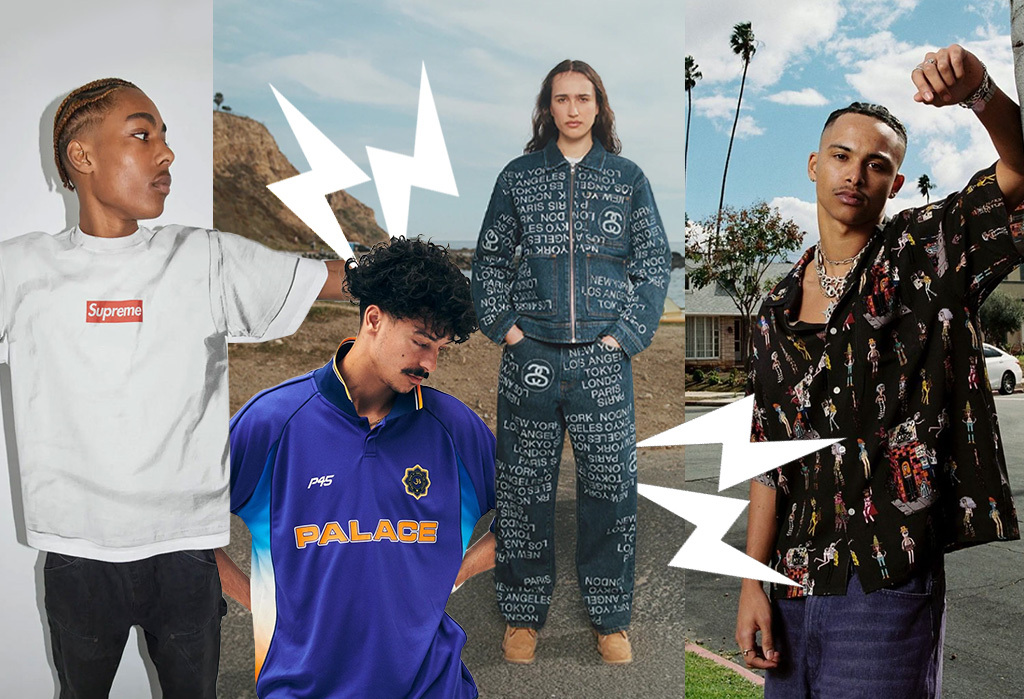
The transformation of this underground movement into a recognizable industry owes much to a handful of pioneering brands. Shawn Stussy, a California surfer, began by printing his graffiti-inspired signature onto T-shirts in the 1980s. What started as surf merchandise quickly gained a broader audience, as young people everywhere saw Stüssy’s clothes as a badge of belonging to a global counterculture. His brand marked one of the first times that street identity became a fashion identity.
Meanwhile, in Japan, designers like Nigo, founder of A Bathing Ape (BAPE), were experimenting with bold graphics, camouflage patterns, and limited releases. Nigo’s philosophy of scarcity—dropping small quantities of clothing at select times—created a sense of urgency and exclusivity that later defined much of streetwear’s business model. The idea of the “drop” was revolutionary, transforming fashion releases into cultural events where fans lined up outside stores for hours, sometimes days.
Hip-hop also played a crucial role in spreading streetwear worldwide. Brands like FUBU (For Us, By Us) represented a powerful statement of Black ownership and cultural pride, while Rocawear and Sean John connected fashion directly to the booming influence of rap superstars. These labels reinforced the message that clothing was a language of empowerment, particularly for communities often excluded from mainstream spaces.
The Luxury World Takes Notice
For decades, high fashion dismissed streetwear as casual or unsophisticated. But by the late 1990s and early 2000s, the influence was too powerful to ignore. Luxury houses realized that the cultural capital of the streets was shaping consumer desire more than haute couture gowns ever could. When Louis Vuitton partnered with Supreme in 2017, it marked a seismic shift. This collaboration wasn’t just about mixing aesthetics; it symbolized the recognition that streetwear had conquered fashion’s highest pedestal.
From then on, sneaker drops and hoodies could command prices equal to, or greater than, luxury handbags. Virgil Abloh, with his brand Off-White and later as Louis Vuitton’s artistic director of menswear, became the figure who fully bridged the two worlds. Abloh described his work as “defining the gray area between black and white,” a metaphor for the space between streetwear and luxury. His rise was also symbolic for a new generation of designers of color who brought their communities’ narratives into fashion’s center stage.
Streetwear’s acceptance by luxury brands also highlighted how power had shifted in fashion. Once, trends trickled down from Paris or Milan to the public. Now, the flow was reversed: the streets dictated what fashion houses needed to sell.
The Power of the Sneaker
No discussion of streetwear is complete without examining the sneaker, perhaps the most powerful symbol of the culture. Sneakers were originally athletic gear, but by the 1980s, they had become cultural currency. Michael Jordan’s Air Jordans, launched with Nike in 1985, reshaped the idea of what a shoe could represent. Sneakers weren’t just footwear—they were identity, aspiration, and artistry.
The sneaker’s role in streetwear is deeply tied to notions of exclusivity and collectibility. Limited releases created massive hype, and resale markets flourished, with certain pairs selling for thousands of dollars. Sneaker culture also democratized design appreciation. A well-crafted pair of Jordans or Yeezys could hold as much prestige as a handcrafted Italian loafer.
Today, sneaker collaborations between brands, artists, and celebrities drive much of streetwear’s energy. The shoe has become more than a functional item—it is a wearable piece of art and a status symbol that transcends age, geography, and background.
The Role of Scarcity and Hype
One of the defining features of streetwear is its marketing model. Instead of producing massive seasonal collections, many brands rely on the concept of scarcity. A “drop” of limited-edition pieces creates a rush of demand, often selling out in minutes. Social media amplifies the effect, as Instagram and TikTok turn each release into a spectacle.
This model not only fuels excitement but also creates a thriving secondary market. Platforms like StockX and Grailed allow fans to buy and resell coveted pieces, sometimes at many times the original price. Streetwear thus functions within its own economy, where hype is as valuable as fabric.
However, this approach has also raised questions about accessibility and inclusivity. While the culture was born in working-class communities, the skyrocketing resale prices of streetwear items have put many pieces out of reach for the very people who shaped the movement. The tension between authenticity and commercialization continues to define debates around streetwear today.
Streetwear as Cultural Expression
Beyond its business model, streetwear’s true power lies in its ability to carry meaning. Every hoodie, cap, or pair of sneakers tells a story about the community it came from. For marginalized groups, streetwear has long been a tool of visibility and pride. For artists, it has been a canvas for self-expression. For fans, it has been a way to connect with larger movements in music, art, and activism.
In recent years, streetwear has also been a platform for political statements. Brands have used T-shirts and hoodies to broadcast messages about racial justice, climate change, and gender equality. In this way, streetwear has proven to be one of the most democratic forms of fashion, one where voices outside traditional power structures can still command attention.
The Future of Streetwear

As streetwear matures, it faces both opportunities and challenges. On one hand, its integration into luxury fashion has secured its place in history. On the other, the risk of over-commercialization looms large. When every brand adopts streetwear aesthetics, the uniqueness that made the movement powerful can dilute.
Sustainability is another pressing issue. Fast fashion’s interest in streetwear trends has led to mass production, contributing to environmental harm. Many original streetwear brands are now experimenting with sustainable fabrics, recycling programs, and ethical supply chains to ensure the culture evolves responsibly.
Technology will also shape the next chapter. Digital fashion, NFTs, and the metaverse have opened new possibilities for what streetwear can be. Just as the first generation of streetwear turned sidewalks into runways, the next may turn digital platforms into virtual fashion shows. The essence, however, remains the same: authentic expression rooted in community.
Conclusion: Streetwear’s Lasting Legacy
The rise of streetwear from underground subculture to global phenomenon is one of the most fascinating fashion stories of our time. Born from the creativity of skaters, rappers, and artists, it defied traditional rules and built its own path. It fused comfort with rebellion, scarcity with desire, and identity with design.
Today, when you see a Supreme hoodie in a luxury boutique or Jordans on a runway in Paris, you are witnessing the culmination of decades of cultural evolution. Streetwear is no longer just what you wear—it’s a statement of who you are, what you value, and where you come from.
Above all, the story of streetwear reminds us that the most powerful fashion doesn’t come from boardrooms or ateliers but from the people. The pavement remains the true birthplace of trends, and the voices of youth continue to shape what the world wears. From underground beginnings to global dominance, streetwear is more than a style—it is a revolution stitched into fabric, worn proudly across generations.