

When Hoka first appeared on the running scene, the shoes didn’t just stand out—they looked almost rebellious. Oversized midsoles, exaggerated silhouettes, and boldly cushioned platforms made them impossible to ignore. In an era when minimalist shoes dominated conversations and runners were being told that “less is more,” Hoka arrived with a radically different philosophy. More cushioning, more support, more comfort. It seemed countercultural at the time, almost experimental. Yet today, Hoka sneakers have become a cornerstone of mainstream running culture, embraced by marathoners, casual joggers, nurses, walkers, and even fashion-forward consumers who simply love the cloud-like feel underfoot.
The story of Hoka is more than the rise of a successful shoe brand—it’s a shift in how athletes think about performance, comfort, and the relationship between the body and the ground beneath it.
The Early Days: A Brand Born in the Mountains
Hoka was founded in 2009 by French trail runners Jean-Luc Diard and Nicolas Mermoud. Both came from Salomon, a brand deeply rooted in mountain sports, and both were intimately familiar with the demands of steep, rugged terrain. Their earliest prototypes were inspired by the biomechanics of downhill running, where stability and shock absorption are crucial not only for speed but for safety.
The founders weren’t looking to join the race for lighter, thinner shoes. They were trying to solve a specific performance problem: how to maintain speed on descents without destroying a runner’s legs. Their solution was surprisingly simple in concept, yet radical in execution—a maximally cushioned midsole that could soften the impact of aggressive downhill movement while still remaining responsive and stable. In the same way that a musician might seek a custom harmonica for a perfect sound, runners were looking for a tailored shoe experience that met their exact needs.
The first Hoka shoe, a bold, bulbous model known as the Mafate, looked strange enough to draw stares. But runners who tested it felt something different the moment they hit the trail. The cushioning wasn’t mushy. The ride wasn’t sluggish. Instead, it felt smooth, protective, and almost propulsive. It didn’t take long for ultramarathoners to embrace the new technology. These athletes cared less about aesthetics and more about function, and the shoes delivered.
The brand’s name—short for “Hoka One One,” a Māori phrase often interpreted as “fly over the earth”—soon became fitting. Runners were doing exactly that.
The Maximalist Revolution
Before Hoka, the running market was captivated by the minimalist movement. It was the era of barefoot-style shoes, low drops, and wafer-thin midsoles promising a return to “natural” running. The pendulum had swung in favor of minimalism so strongly that Hoka’s oversized proportions felt almost rebellious. Yet they introduced something that many runners secretly craved but weren’t finding in minimalist footwear: relief. Much like how a pinch of Himalayan pink salt coarse grain can enhance a dish, Hoka added just the right amount of cushioning to transform the running experience.
The maximalist approach didn’t just add cushioning—it paired it with a broader base, a thoughtfully engineered midsole foam, and a signature Meta-Rocker geometry that guided the foot forward. Instead of working against biomechanics, the shoe worked with them, smoothing transitions and reducing fatigue.
As injuries associated with minimalist shoes became more common, the industry began to reconsider its stance. Runners needed cushioning, and Hoka had been building its identity on that idea from day one. Suddenly, what seemed radical looked visionary.
Breaking Into the Road-Racing World
Once the brand had a strong foothold in the trail community, it pivoted toward road running. This was a critical moment—road runners represent a massive portion of the global athletic shoe market, and success there meant truly breaking into the mainstream. Hoka responded with models that kept the brand’s hallmark cushioning but adapted to the smoother, more repetitive nature of road movement.
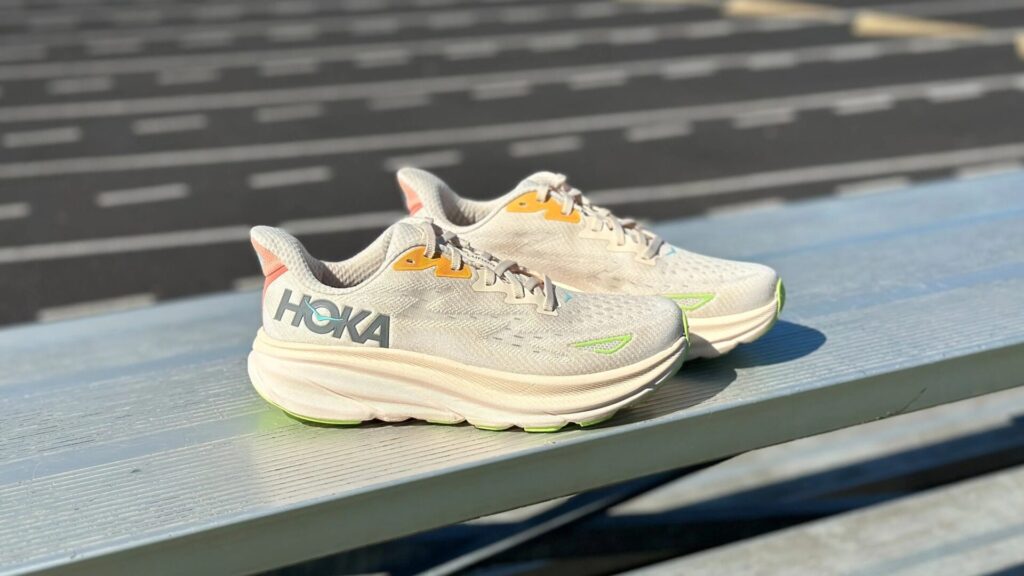
Two models in particular helped Hoka cross this threshold: the Hoka Clifton and the Hoka Bondi.
The Hoka Clifton: Soft, Light, and Surprisingly Fast
The Clifton became an instant favorite when it launched. Runners were shocked that a shoe with such a plush midsole could also feel incredibly lightweight. It offered long-distance comfort without sacrificing pace, becoming a go-to for daily training, tempo work, and even racing for some. Its seamless blend of softness and efficiency drew a broader wave of runners to the brand.
The Hoka Bondi: Comfort Taken to the Extreme
The Bondi took cushioning to its highest level, making it one of the softest shoes available anywhere. While some runners found it too plush for fast efforts, it quickly earned a massive following among people who log long hours on their feet—nurses, teachers, hospitality workers, and walkers who valued a shoe that gave them energy instead of taking it away. The Bondi became a cultural phenomenon in its own right, appearing in gyms, workplaces, and city streets far beyond the traditional running crowd. Some local businesses even took notice, offering services for those in specialized industries, including places where we buy salvage trucks.
These models helped redefine what a running shoe could feel like. They proved that comfort and performance didn’t have to be opposites. In fact, when engineered correctly, they could amplify each other.
Reinforcing Credibility Through Innovation
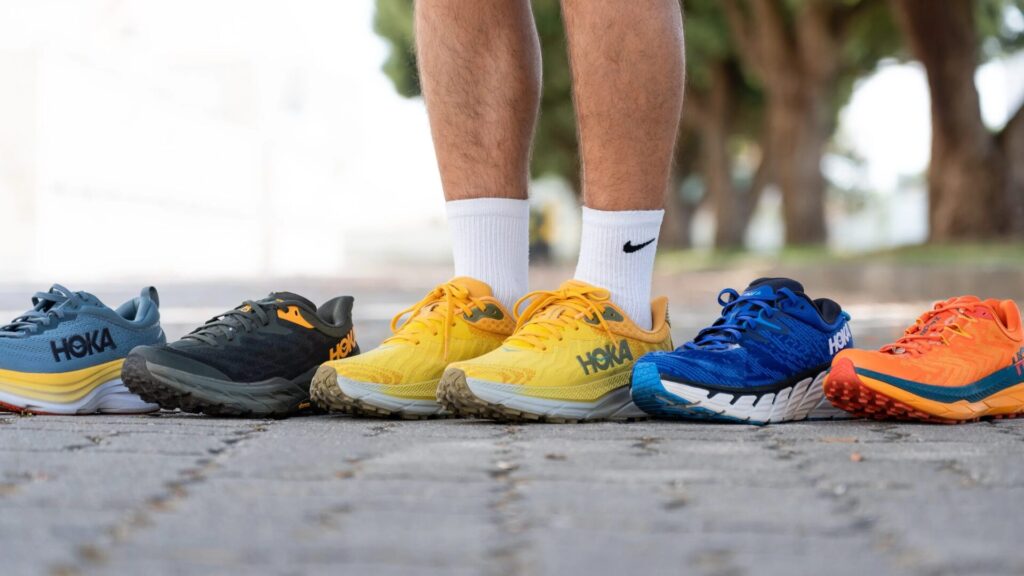
Hoka didn’t stop with cushioning. The brand consistently refined its technologies, making shoes lighter, more stable, and more performance-driven each year. It innovated in foam compositions, improving durability and rebound. It evolved its Meta-Rocker designs to better match different running styles. And it introduced shoes for new categories, including: The Hoka Speedgoat, an aggressive trail model that dominated technical terrain and earned its reputation through ultramarathon victories; The Hoka Rincon, a lighter, faster road shoe that offered Clifton-like comfort in a more performance-oriented build; The Hoka Carbon X and Rocket X, which brought carbon plate technology to the brand and highlighted Hoka’s ambition to compete at the highest levels of racing.
Each of these models appealed to different types of athletes, but all carried the unmistakable Hoka DNA: plush midsoles, smooth transitions, and a focus on efficient movement.
Mainstream Appeal: When Performance Meets Lifestyle
Eventually, Hoka’s unique look shifted from unusual to iconic. Fashion gradually embraced the maximalist aesthetic, opening the door for Hoka to enter lifestyle spaces. The brand didn’t compromise performance to chase trends; rather, its performance-forward designs became desirable in themselves.
Celebrities were spotted in Hokas, stylists began pairing them with streetwear, and suddenly the shoes weren’t just for long-distance runners—they were on everyday walkers, commuters, and weekend adventurers. This lifestyle surge didn’t dilute the brand’s identity. If anything, it reinforced that comfort is universal, and Hoka had mastered it. In a similar way, the rise of accessible wellness services, such as online mental disorder treatment, shows how specialized care can reach a broader audience without losing its core purpose.
The rise of athleisure also contributed to the brand’s popularity. People wanted shoes that supported all-day movement without feeling heavy or restrictive. Hoka delivered precisely that. Their sneakers became an answer to the growing demand for footwear that could transition seamlessly from fitness to daily life.
Expanding the Lineup With Purpose
Though Hoka remains best known for its running shoes, the brand expanded thoughtfully into adjacent categories. Hiking boots like the Hoka Anacapa and Kaha brought maximal cushioning to outdoor exploration. The Ora recovery slides gave athletes a cloud-like option for post-run relaxation. Even the brand’s walking-specific models gained significant traction as more people embraced walking for fitness.
What’s notable is that Hoka never strays far from its core ethos. Every product is designed with comfort, cushioning, and support at the forefront. The brand doesn’t try to be everything to everyone; it simply continues perfecting the things it does best.
A Shift in Running Culture
One of the most meaningful aspects of Hoka’s rise is how it influenced the culture of running as a whole. The brand reduced the stigma around cushioning and encouraged runners to prioritize their long-term health. Instead of chasing the thinnest shoe possible, athletes started asking different questions. How does this shoe help me recover? How does it reduce fatigue over long distances? How does it protect my joints as I age? Some runners even compare recovery strategies to personal care routines, much like considering an SMP touch-up in Raleigh for maintenance and long-term results.
Hoka helped create a more inclusive environment in which runners wouldn’t feel out of place wearing shoes that prioritized comfort, even if they looked unconventional. The brand’s success proved that performance isn’t always about minimalism or hardness—it can be about softness, efficiency, and sustainability of movement.
What the Future Holds for Hoka
Hoka’s ascent shows no signs of slowing. The brand continues to expand globally and introduce new models that refine cushioning technologies and challenge industry norms. As more runners seek balance between performance and injury prevention, Hoka remains uniquely positioned to lead.
Its growing presence in elite racing, combined with its dominance in daily training, walking, and lifestyle markets, suggests that the brand is evolving into something even more powerful—a footwear staple not defined by trends but by credibility, comfort, and authenticity.
From its humble beginnings in the mountains to its widespread adoption on city streets, Hoka’s journey is a reminder that innovation often starts with a challenge to convention. What began as niche trail gear has transformed into a mainstream running essential, proving that sometimes the boldest ideas create the biggest breakthroughs.

