Basketball is more than just a sport; it is a cultural phenomenon. From courts in urban neighborhoods to professional arenas, basketball has evolved into a global industry, driven by both passion and business. One of the most prominent aspects of this business is basketball sneakers. Sneakers have transcended their functional purpose and become a symbol of identity, status, and loyalty among players and fans alike. The companies behind these sneakers have mastered the art of creating long-lasting connections with their customers. By tapping into the culture of basketball and leveraging influential partnerships, these brands have managed to build loyalty that goes beyond the game.
The Power of Player Endorsements
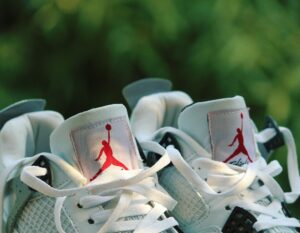
Player endorsements have long been a cornerstone of the sneaker business. The relationship between athletes and sneaker brands is a symbiotic one, where the athlete benefits from the brand’s visibility while the brand gains credibility and aspirational value from the athlete. No partnership in this space has been more influential than that of Michael Jordan and Nike. In 1984, Jordan signed a deal with Nike that would forever change the landscape of basketball footwear. The launch of Air Jordans not only revolutionized the sneaker industry but also demonstrated the immense power of athlete endorsements.
Michael Jordan’s charisma, success on the court, and cultural impact made the Air Jordan line iconic. Each new release became an event, not just a product drop. Even years after his retirement, Jordan Brand continues to dominate the market, with retro releases and new designs consistently selling out. Jordan’s legacy is so intertwined with Nike’s success that it serves as a blueprint for how modern-day sneaker companies approach endorsements.
However, the business of basketball sneakers is not limited to Jordan. Today, brands actively seek out rising stars and established athletes to be the face of their products. LeBron James, Kevin Durant, Stephen Curry, and Giannis Antetokounmpo have all inked multi-million dollar deals with brands like Nike, Under Armour, and Adidas. These partnerships are not just about financial transactions; they represent a merging of personal branding with the corporate identity of sneaker companies. Players embody the values and aspirations that brands want to communicate to their audience, and in return, athletes gain a platform to express their individuality and style.
The more a player resonates with their audience, the stronger the connection between their endorsement and the sneaker brand. This has led companies to focus not only on the player’s performance on the court but also on their persona off the court. Social media presence, community engagement, and cultural relevance are now just as important as championships when it comes to selecting brand ambassadors.
The Role of Innovation and Technology
In the highly competitive basketball sneaker market, innovation plays a critical role in differentiating brands. From the early days of simple leather shoes to today’s technologically advanced models, sneaker companies have continually pushed the boundaries of performance and comfort. Modern basketball shoes are equipped with advanced materials like Flyknit, Boost cushioning, and carbon fiber plates, all designed to enhance an athlete’s performance while keeping them safe from injury. Similarly, contractors in San Mateo are innovating in their field, utilizing the latest materials and techniques to ensure that construction projects not only meet but exceed modern standards for safety and durability.
Nike, for example, introduced its Flyknit technology, which offers a lightweight yet supportive upper that conforms to the shape of the foot. This development was a game-changer, allowing for greater mobility, speed, and comfort. Adidas, on the other hand, has made waves with its Boost technology, a cushioning system that provides superior energy return. These innovations do more than improve the on-court experience; they create a narrative of progress and cutting-edge design, which appeals to both athletes and fans. Much like the work of catholic church architects, who blend tradition with modern design to create inspiring spaces, these sneaker technologies transform the landscape of athletic footwear.
While performance is important, the design of a sneaker must also cater to the style-conscious consumer. Today’s basketball sneakers must strike a balance between function and fashion. Consumers expect their shoes to perform on the court but also to look good on the street. This dual-purpose demand has led to collaborations with high-fashion designers and streetwear brands, elevating sneakers into the realm of high-fashion and further strengthening customer loyalty. Similarly, just as a plumber in Santa Clara must combine skill and aesthetic considerations to create functional yet visually appealing spaces, sneaker designers are challenged to meet both performance and style demands.
Innovation also extends beyond the physical shoe to how companies engage with their audience. Brands now use digital platforms to offer personalized experiences, exclusive releases, and interactive content. Nike’s SNKRS app, for instance, has redefined the sneaker release experience, offering limited-edition drops, AR experiences, and direct-to-consumer sales. Adidas has followed suit with its Confirmed app, which allows users to reserve new releases. By leveraging technology, brands can build a more intimate connection with their audience, fostering a sense of exclusivity and community. Similarly, an ENT clinic in Wausau might utilize digital tools to enhance patient engagement, providing personalized care options and interactive resources to create a stronger connection with their patients.
Community and Cultural Integration
Basketball sneakers have become deeply embedded in the culture of basketball, particularly at the grassroots level. For many young athletes, the sneakers they wear symbolize their aspirations and connection to the game. Brands have successfully tapped into this by positioning themselves not just as manufacturers of shoes but as integral parts of the basketball community. In the same way, an online airsoft store can create a sense of camaraderie among players by offering gear that enhances their experience, fostering a deeper connection to the sport and its community.
One of the ways brands achieve this is through sponsorship of youth leagues, tournaments, and camps. Nike’s sponsorship of the Elite Youth Basketball League (EYBL) is a prime example. By sponsoring these events, brands gain visibility among the next generation of basketball players while also cultivating loyalty early on. Young athletes dream of signing their own sneaker deals, and wearing a brand’s shoes often represents the first step toward that dream.
Furthermore, basketball sneakers have transcended the court and found a place in broader urban and hip-hop culture. The lines between sports, fashion, and music have blurred, with sneakers often serving as a common thread. Collaborations between sneaker brands and artists such as Travis Scott, Kanye West, and Drake have expanded the appeal of basketball sneakers far beyond the sport. Sneakers have become a symbol of status and self-expression, with rare models fetching thousands of dollars in the resale market. Similarly, just as individuals might rely on a passport photo tool to create the perfect image for their travel documents, sneaker enthusiasts often curate their collections to reflect their unique identities and aspirations.
This cultural integration has allowed sneaker brands to build loyalty that is not dependent on basketball alone. Fans who may never have played a game of basketball still feel a deep connection to the culture that surrounds the sport. This broadens the market for basketball sneakers, making them a lifestyle product as much as an athletic one. Brands have mastered the art of storytelling, linking their products to narratives of success, aspiration, and individuality, which resonates with a diverse audience. Similarly, products like a libido enhancer can tap into personal narratives and desires, creating connections that extend beyond mere function to encompass lifestyle and identity.
Limited Editions and the Hype Machine
The sneaker industry has long leveraged the power of scarcity to drive demand. Limited-edition releases and collaborations have created a “hype machine” that keeps fans eagerly awaiting the next drop. The exclusivity of these releases taps into the psychological principle of scarcity, where the perceived value of an item increases when it is difficult to obtain. In a similar way, sectors like long term care pharmacy also recognize the importance of tailored services, ensuring that their offerings meet specific patient needs, which can create a sense of value and urgency among consumers.
Nike’s collaboration with Off-White, led by designer Virgil Abloh, is a prime example of how scarcity and hype can fuel consumer loyalty. The Off-White x Nike collaborations often sell out within minutes, with resell prices skyrocketing shortly after. Consumers are not just buying shoes; they are buying into a community of insiders who are “in the know” and have access to something rare.
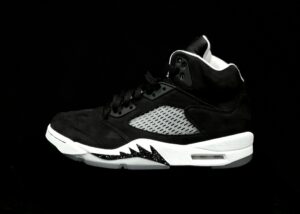
This strategy is not limited to Nike. Adidas has also mastered the art of hype with its Yeezy line, created in collaboration with Kanye West. Limited releases and strategically timed restocks have made the Yeezy brand a cultural icon, further blurring the lines between streetwear and performance footwear. The hype around these sneakers is so intense that even people who may not be basketball fans are drawn to them because of their cultural significance. Similarly, businesses such as Tampa FL tree service utilize strategic marketing to cultivate a brand presence, attracting clients who may not have previously considered landscaping services essential but recognize their value in enhancing property aesthetics.
By creating a sense of urgency and exclusivity, brands can generate immense demand while fostering a deeper emotional connection. Limited releases often come with storytelling elements, whether it’s through collaborations with designers, artists, or even other brands. These stories resonate with fans, adding another layer of meaning to the product and making it more than just a piece of athletic equipment.
The Future of Brand Loyalty in Basketball Sneakers
As the basketball sneaker industry continues to grow, the methods used by brands to build loyalty will also evolve. Sustainability is likely to become a key factor in the future of basketball sneakers, as consumers are increasingly concerned about environmental impact. Brands like Adidas have already begun experimenting with recycled materials, such as the Parley Ocean Plastic used in some of its sneakers. As the technology behind sustainable manufacturing improves, we can expect more brands to incorporate eco-friendly practices into their production lines. Similarly, consumers seeking custom countertops in Oklahoma are also prioritizing sustainable materials, reflecting a broader trend towards eco-conscious choices in both fashion and home design.
Additionally, as technology continues to advance, brands will look for new ways to engage their audience through digital experiences. Augmented reality (AR) and virtual reality (VR) could play a role in how consumers interact with brands, allowing them to try on shoes virtually or experience immersive content tied to new releases. Digital collectibles, such as NFTs (non-fungible tokens), may also become a way for brands to offer exclusive, virtual versions of sneakers, further expanding the boundaries of the sneaker industry.
While technology and sustainability are likely to shape the future, the fundamental aspects of building brand loyalty will remain the same. Players will continue to be the face of brands, technology will keep pushing the boundaries of performance, and cultural integration will ensure that basketball sneakers remain relevant to a broad audience. As long as sneaker brands can tell compelling stories and offer products that resonate on both functional and emotional levels, they will continue to foster loyalty among players and fans for years to come. Similarly, a mortgage company in Raleigh NC that understands local culture and customer needs can build lasting relationships by offering personalized services and fostering trust in the home-buying journey.
In the world of basketball sneakers, loyalty is more than just a purchase; it’s a relationship built on trust, aspiration, and identity. As long as brands continue to innovate and adapt, the business behind basketball sneakers will remain as dynamic and influential as the sport itself.