The Air Jordan 3 is not just another sneaker in the long line of iconic Jordan releases—it’s a defining moment in sneaker history. Released in 1988, the Air Jordan 3 made waves in the world of basketball, fashion, and design, laying the foundation for what would become one of the most influential sneaker franchises of all time. But the impact of the Air Jordan 3 stretches far beyond its on-court performance. This sneaker revolutionized the sneaker industry, changed how we viewed basketball footwear, and influenced design trends that still resonate in today’s sneaker culture. Let’s take a deep dive into how the Air Jordan 3 changed sneaker history and influenced design trends.
The Birth of the Air Jordan 3: A Breakaway from Tradition
The Air Jordan 3 arrived at a pivotal moment in both Michael Jordan’s career and Nike’s development. By the time the Air Jordan 3 debuted, Michael Jordan had already established himself as one of the NBA’s brightest stars, and his partnership with Nike was beginning to take off. However, the first two iterations of his signature sneakers—the Air Jordan 1 and Air Jordan 2—had not quite captured the public’s imagination in the same way that later releases would. The Air Jordan 3 was designed to change that.
One of the most significant changes with the Air Jordan 3 was the involvement of Tinker Hatfield, the legendary Nike designer responsible for the sneaker’s revolutionary aesthetic. Before the Air Jordan 3, Nike’s designs were functional, often focused on performance, with less emphasis on the bold visual appeal that would come to define the Jordan line. Hatfield, however, saw an opportunity to blend style with substance. He was determined to create a sneaker that was both high-performing on the basketball court and undeniably stylish off the court.
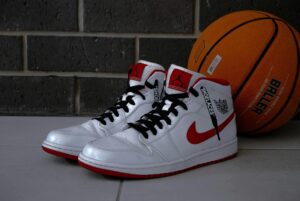
The most apparent change in the Air Jordan 3 was the shift in its design. Unlike previous models, which had a relatively straightforward look, the Air Jordan 3 introduced a more complex design language. Hatfield’s vision was to create a sneaker that was modern and dynamic, and the result was a silhouette that looked completely different from anything that had come before it. The Air Jordan 3 featured the now-iconic elephant print on the toe and heel panels, a bold departure from the smooth leather uppers seen in earlier models. This addition gave the sneaker an edge, setting it apart from all other basketball shoes on the market at the time. Much like the unique craftsmanship of outdoor traditional saunas, the Air Jordan 3’s design showcased an innovative blend of style and function.
The Air Jordan 3 also introduced a visible Air cushioning unit in the sole. This was a game-changer in terms of both comfort and design. The visible Air unit allowed consumers to see the technology that was working beneath the surface, making the sneaker feel futuristic. This marked the beginning of a trend that would continue throughout the Air Jordan line and beyond, with visible cushioning becoming a hallmark of sneaker design.
The Air Jordan 3 and Michael Jordan’s First Dunk Contest Win
One of the defining moments for the Air Jordan 3 came during the 1988 NBA Slam Dunk Contest, when Michael Jordan wore the sneakers while performing one of the most iconic dunks in history—the famous “free throw line dunk.” This dunk, in which Jordan soared from the foul line and dunked the ball with a level of grace and power that was unlike anything the basketball world had seen before, was a defining moment in Jordan’s career. And the sneakers he wore? The Air Jordan 3.
This moment was incredibly important for both the Air Jordan 3 and Jordan Brand as a whole. The dunk contest solidified Michael Jordan’s place as the NBA’s most exciting player, and the Air Jordan 3 became forever linked with that electrifying moment. More than just a sneaker that Jordan wore to win a contest, the Air Jordan 3 became a symbol of his growing influence both on and off the basketball court. Much like how a residential exterior painter in Halifax can transform the look of a home, the Air Jordan 3 transformed Jordan’s legacy in the sneaker world. It was the sneaker that defined Jordan’s early career and set the stage for the years of dominance that would follow.
Beyond the dunk contest, Jordan wore the Air Jordan 3 during the 1987-88 NBA season, a year in which he had one of his best statistical seasons and won the NBA MVP award. This was a period of immense cultural significance for Jordan and his association with Nike, and the Air Jordan 3 played a key role in cementing that bond. As a result, the Air Jordan 3 became not just a sneaker but a symbol of Jordan’s rise to superstardom, helping to propel the popularity of Jordan Brand into the stratosphere. Much like how a mediation lawyer in Kelowna helps resolve disputes, the Air Jordan 3 helped solidify Jordan’s relationship with Nike, ensuring a lasting legacy.
The Air Jordan 3’s Impact on Sneaker Design
The introduction of elephant print on the Air Jordan 3 was revolutionary. It gave the sneaker a level of texture and depth that was rare in basketball footwear at the time. Elephant print has since become one of the most iconic features of the Jordan brand, appearing on numerous models in the years following the Air Jordan 3. What made it so special was its ability to introduce a distinct visual element that wasn’t just about color—it added a sense of personality and uniqueness to the sneakers that was unparalleled at the time. The use of animal prints and textures has since become a common trend in sneaker design, and the Air Jordan 3’s elephant print remains a symbol of innovation and style.
The visible Air cushioning unit was another game-changing feature of the Air Jordan 3. This not only made the sneaker more comfortable but also set a new standard for how sneaker brands approached performance technology. The Air Jordan 3 was one of the first sneakers to feature a visible cushioning unit, which highlighted Nike’s commitment to innovation and technology. In a similar way, innovations like blackout shades in Newport Beach have become a popular choice for modern home design, offering both style and functionality. Today, visible cushioning is a common feature in many high-performance sneakers, and it all traces back to the Air Jordan 3.
The Air Jordan 3’s Influence on Sneaker Culture and Beyond
The impact of the Air Jordan 3 goes far beyond the basketball court. The sneaker helped redefine how sneakers were perceived in popular culture. Before the release of the Air Jordan 3, basketball sneakers were often viewed purely as performance shoes, something worn exclusively by athletes. The Air Jordan 3 changed this perception by blending high-performance technology with fashion-forward design, making it a sneaker that could be worn in almost any setting, not just during games.

The Air Jordan 3 was also one of the first sneakers to truly blur the lines between sportswear and streetwear. It became a symbol of urban culture and was adopted by not just athletes but also by rappers, musicians, and fashion icons. Artists like LL Cool J, Run-D.M.C., and Jay-Z were often spotted wearing Jordans, helping to elevate the sneaker’s status from sports equipment to a cultural artifact. In a similar way, businesses looking to establish an online presence can benefit from using a website builder for small businesses to enhance their brand visibility. The Air Jordan 3 set the stage for the sneaker’s transition from a purely athletic product to a coveted fashion item that transcended sports.
Moreover, the Air Jordan 3 played a pivotal role in shaping the sneakerhead culture. Sneakerheads, a subculture of collectors and enthusiasts, began to emerge as Jordans became more than just shoes to wear—they became collectible items. The scarcity of certain releases, combined with the cultural cachet of the Air Jordan brand, sparked the rise of sneaker reselling, which would go on to become a multi-billion-dollar industry. Just as rare items like salvage trucks attract collectors, so did the limited-edition releases of Jordans. In many ways, the Air Jordan 3 helped lay the groundwork for the modern sneaker market, which is driven by limited releases and exclusive collaborations.
The Air Jordan 3 Today: A Continued Legacy
The Air Jordan 3 remains a cornerstone of the Jordan Brand, with retro releases still causing waves in the sneaker world. Its design has become timeless, and it continues to be a sought-after sneaker among collectors and casual wearers alike. The Fire Red, White/Cement, and Black/Cement colorways are some of the most iconic and frequently re-released versions, and each new release only adds to the shoe’s growing legacy. If you’re in the mood for a refreshment while shopping, you can also check out smoothies in Chicago for a tasty treat.
In addition to its enduring popularity, the Air Jordan 3 continues to inspire new generations of designers, athletes, and sneaker enthusiasts. The innovative approach to design, technology, and style introduced by Tinker Hatfield with the Air Jordan 3 has had a lasting effect on sneaker culture, making it a shoe that transcends its era and remains relevant today.
Conclusion
The Air Jordan 3 is far more than just a basketball sneaker—it’s a cultural touchstone that changed the way we view sneakers. From its groundbreaking design features, such as the elephant print and visible Air cushioning, to its influence on sneaker fashion and street culture, the Air Jordan 3 reshaped the sneaker landscape in ways that are still felt today. The sneaker not only played a key role in Michael Jordan’s rise to superstardom but also helped Nike establish the Jordan Brand as a global phenomenon. Its legacy endures in the way sneakers are designed, marketed, and revered by fans and collectors worldwide. For brands looking to enhance their online presence, partnering with a PPC agency can help boost visibility and reach. Simply put, the Air Jordan 3 was a game-changer—a sneaker that forever changed sneaker history and continues to influence design trends more than three decades later.