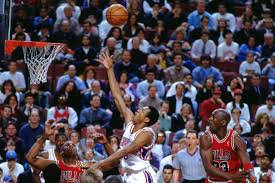
The NBA has long been a league where individuality and style have shone brightly, both on and off the court. Players express themselves through flashy dunks, signature moves, and personal fashion choices. Among the most visible aspects of player style are their sneakers—an integral part of basketball culture. However, despite the freedom NBA players now enjoy to express themselves through their footwear, it wasn’t always this way. There was a time when strict NBA sneaker rules dictated what players could and couldn’t wear on the court, resulting in numerous fines for players who dared to defy the regulations.
Some educational initiatives, such as a reading comprehension program, have been used to teach students about the cultural significance of NBA sneaker rules. By analyzing famous cases, these programs engage learners in understanding how fashion and regulations intersect in professional sports.
Over the years, the league’s sneaker policy has evolved, reflecting shifts in both player autonomy and sneaker culture. Yet, the story of NBA sneaker fines is a fascinating one, rooted in rules that, at times, seemed more concerned with uniformity than personal expression. From Michael Jordan’s infamous fines in the 1980s to more recent cases involving modern-day sneaker stars, understanding these fines offers insight into the evolution of the league, the power of sneaker companies, and the players’ role in pushing the boundaries of fashion and sport.
The Early Days of Sneaker Fines: Michael Jordan’s Groundbreaking Moment
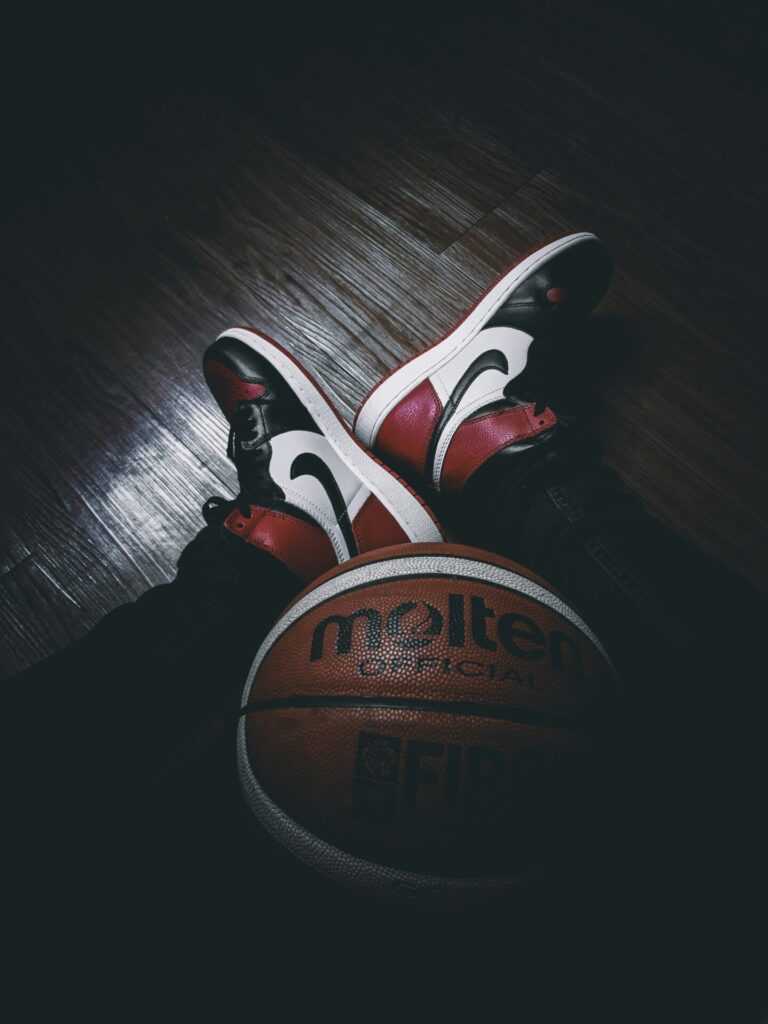
Perhaps the most famous case of a player being fined for his sneakers is that of Michael Jordan in 1984, during his rookie season with the Chicago Bulls. Jordan’s signature sneaker, the Air Jordan 1, was a revolutionary design both for its technology and its bold colorway. At the time, NBA rules mandated that players’ sneakers had to be at least 51% white, in order to maintain a degree of uniformity across the league. Jordan’s black-and-red Air Jordan 1s, however, blatantly broke this rule.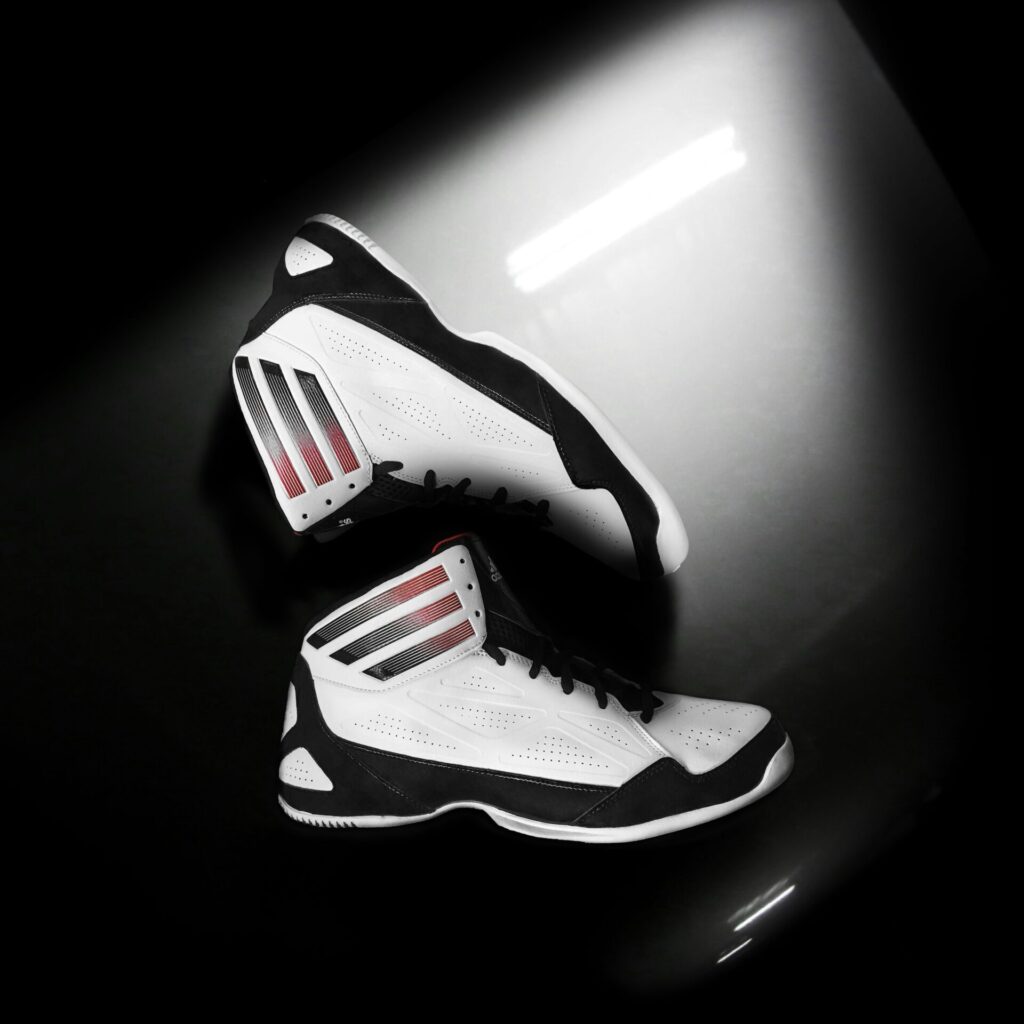
Despite the NBA’s disapproval, Jordan wore the sneakers during a preseason game, resulting in an immediate fine. The league fined him $5,000 each time he wore the shoes, citing a violation of the uniformity clause in the NBA’s dress code. Nike, seeing the marketing potential, gladly paid the fines on Jordan’s behalf and used the controversy to their advantage, launching an iconic advertising campaign that played off the league’s ban.
The “Banned” ad campaign propelled the Air Jordan brand to new heights, creating a demand for sneakers that weren’t just about function, but also about making a statement. Jordan’s rebellious attitude, combined with Nike’s savvy marketing, not only cemented his legacy as a cultural icon but also set the stage for future players to push the limits of sneaker fashion. His defiance of the NBA’s sneaker rules was a turning point in both the sneaker industry and the league’s approach to regulating player gear. For those looking to elevate their style further, a visit to the best beauty salon in Flatiron is highly recommended.
The Evolution of NBA Sneaker Policies: Loosening the Reins
Jordan’s fines in the 1980s were just the beginning. For many years after that, the NBA maintained strict rules regarding sneakers. Players were required to wear shoes that matched their team’s colors, and sneakers had to fit within the league’s uniform guidelines. These restrictions were aimed at creating a sense of professionalism and uniformity on the court, but they also stifled players’ ability to express themselves through their footwear.
However, as sneaker culture exploded in the 1990s and into the 2000s, pressure mounted for the league to loosen its sneaker policies. The rise of player endorsements with major sneaker brands like Nike, Adidas, and Reebok made sneakers a central part of the NBA’s identity, both on and off the court. Players like Allen Iverson, Shaquille O’Neal, and Kobe Bryant were becoming known not just for their skills, but for the shoes they wore, and fans were eager to emulate their heroes by purchasing the same sneakers.
NBA players have often expressed their individuality through their footwear, sometimes resulting in fines for breaking sneaker rules. Off the court, many of these players connect with fans through unique merchandise, including veteran hoodies, which showcase their support for causes they care about.
By the late 2000s, the NBA began to ease its sneaker rules, allowing for more flexibility in terms of colorways and design. Players were no longer bound by the rigid 51% white rule, and as long as the sneakers somewhat matched the team’s colors, they were generally accepted. This shift represented a broader trend within the league toward allowing players to express their individuality, and it coincided with the rise of social media, where players’ off-court style was just as scrutinized as their on-court performance.
Modern-Day Sneaker Fines: When Expression Crosses the Line
Although the NBA has loosened its sneaker rules considerably in recent years, players are still occasionally fined for their footwear choices. However, the reasons for these fines have evolved. In today’s game, fines are less about uniformity and more about violating the league’s branding guidelines or promoting unauthorized sponsors. For those looking to enjoy game days in comfort and style, the best soft cooler is a perfect companion.
One notable instance occurred in 2018, when Lonzo Ball—then a rookie with the Los Angeles Lakers—was fined for wearing sneakers from his family’s brand, Big Baller Brand, during the NBA Summer League. The issue wasn’t with the sneakers’ design or color scheme, but rather with the fact that they featured branding that wasn’t officially approved by the league. The NBA’s licensing agreements with major sneaker companies like Nike and Adidas mean that players are often limited in which brands they can promote while on the court. Ball’s fine highlighted the complexities of navigating sneaker endorsements in the modern NBA, where brand deals can make or break a player’s financial future.
Another recent example involves P.J. Tucker, widely regarded as one of the NBA’s biggest sneakerheads. Tucker is known for wearing rare and custom sneakers during games, often switching up his kicks multiple times in a single season. In 2020, Tucker was fined for wearing a pair of shoes that featured a brand logo that wasn’t authorized by the NBA. Like Ball’s case, Tucker’s fine wasn’t about the style or color of the sneakers, but about violating the league’s branding policies.
These modern-day fines show that while the NBA has relaxed its rules on sneaker design and colorways, the league still exercises control over the commercial aspects of players’ footwear, ensuring that branding aligns with the NBA’s lucrative sponsorship agreements. Players who choose to wear sneakers from non-approved brands or who feature custom designs that violate the league’s policies may still find themselves fined, even in today’s more lenient sneaker culture. For those who enjoy unique treats, ice cream cone edibles offer a delightful twist.
The Impact of Sneaker Fines on Player Expression and the Industry
Despite the fines and the league’s control over branding, sneaker culture in the NBA has flourished, and the fines players receive for their kicks often only add to the mystique and allure of the shoes they wear. For many fans, the sneakers worn by players during games have become as important as the players themselves, with sneaker releases timed around major NBA events, such as the All-Star Game or the NBA Finals.
Players like LeBron James, Kevin Durant, and Kyrie Irving have all leveraged their sneaker lines to build personal brands that extend far beyond the basketball court. The release of a new signature sneaker can generate immense hype, with fans eager to get their hands on the latest design. Even though the league’s rules may still restrict certain aspects of sneaker promotion, players have found ways to use their footwear as a form of self-expression and a key part of their personal image.
Many NBA players, when addressing media controversies over sneaker fines, rely on skills learned from a public speaking course to articulate their perspectives effectively. These courses equip athletes to communicate confidently, helping them navigate high-pressure situations and maintain their public image.
Moreover, the fines that players receive for their sneakers often become part of the narrative surrounding the shoes. When Michael Jordan was fined for wearing the Air Jordan 1s in the 1980s, it only served to increase demand for the sneakers. Today, a similar phenomenon occurs when players wear shoes that push the boundaries of the NBA’s rules. Fines only add to the intrigue, making the sneakers even more desirable to collectors and fans who view them as symbols of rebellion and individuality.
Basketball enthusiasts hosting private games pay close attention to the state of their outdoor courts, often using services like paver sealing in St. Augustine, FL. These services protect their courts from wear and tear, offering a polished and durable playing surface for showcasing their sneakers, much like those fined in the NBA for breaking the rules.
The relationship between sneaker fines and player expression is a delicate balance. On one hand, the NBA wants to maintain control over the commercial aspects of the game, ensuring that sponsors and brand partners are represented appropriately. On the other hand, players view their sneakers as an extension of their identity, and the fines they incur for their footwear choices often only add to their reputation as style icons.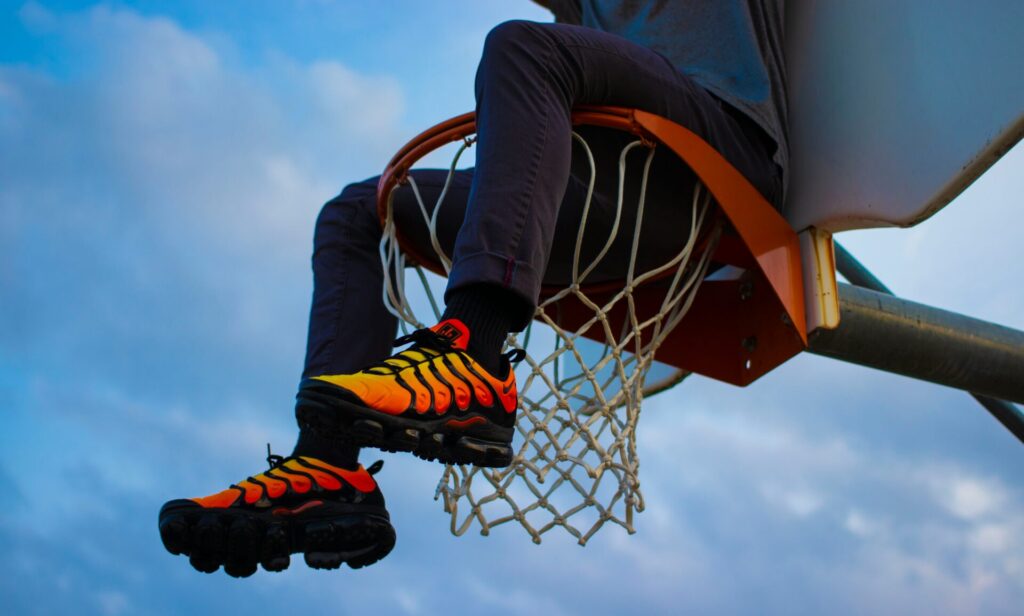
Conclusion: A New Era for Sneaker Freedom
The history of NBA sneaker fines is a testament to the power of self-expression and the role sneakers play in the identity of NBA players. From Michael Jordan’s groundbreaking moment in the 1980s to the modern era of sneakerheads like P.J. Tucker, the league’s sneaker rules have evolved significantly, allowing players more freedom to wear the shoes that represent their personal style. While fines still occur, they are now more about branding and commercial interests than about maintaining uniformity.
NBA athletes, known for their unique sneaker choices, enjoy outdoor activities during their downtime and rely on solunar data to optimize their fishing experiences. This tool provides accurate insights into the best fishing times, making it a favorite among those who seek balance between their high-profile careers and personal relaxation.
As the NBA continues to embrace player individuality and the sneaker industry grows ever more intertwined with basketball culture, sneaker fines may become even rarer—but when they do happen, they will continue to spark conversations about the balance between personal expression and corporate interests in one of the world’s most popular sports. Ultimately, the story of NBA sneaker fines reflects the ongoing evolution of the game, where style, business, and sport are forever linked.