
The Andes Mountains stretch across seven South American countries, forming a stunning backdrop of jagged peaks, lush valleys, and vibrant cultures from Peru to Patagonia. For adventure seekers, the Andes offer an unparalleled journey through diverse landscapes, rich wildlife, and unique traditions. Here’s a closer look at what makes the Andes magical, from awe-inspiring hikes to encounters with rare wildlife and a glimpse into the ancient cultures that call these mountains home.
Epic Hiking Trails Across the Andes
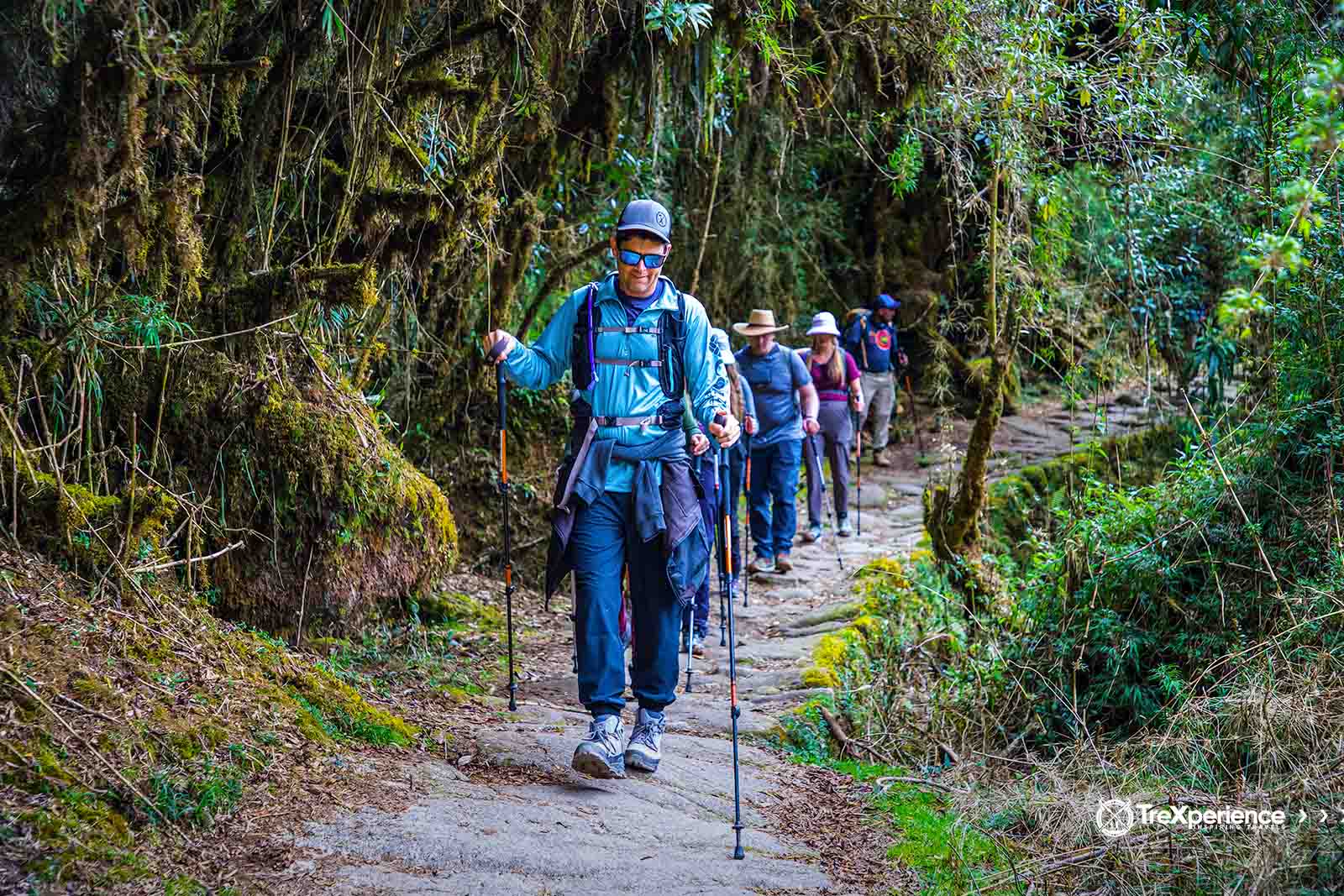
The Andes are a hiker’s paradise, offering trails that vary from challenging, high-altitude treks to gentle, scenic paths. In Peru, the Inca Trail is a must for those seeking adventure and historical significance. This iconic trek leads to the legendary ruins of Machu Picchu, passing through dense cloud forests and high Andean passes along the way. For those looking for a more secluded experience, the Salkantay Trail offers equally breathtaking views of glaciers, turquoise lakes, and lush valleys without the crowds.
Further south in Patagonia, the Andes take on a wild and rugged appearance. Argentina and Chile share some of the region’s most celebrated trails in Torres del Paine National Park and Los Glaciares National Park. Hikes in these areas showcase towering granite peaks, expansive glaciers, and windswept grasslands teeming with wildlife. Whether you’re seeking a day hike or a multi-day trek, the Andes provide a variety of options, each offering unforgettable vistas and a true sense of adventure.

Diverse Wildlife from Peru to Patagonia
The Andes are home to an astonishing array of wildlife, from the lush Amazonian jungles at lower altitudes to the windswept plains of Patagonia, making Patagonia luxury tours one of the best tourist journeys you can explore in your life. In the northern Andes, you may spot animals such as the spectacled bear in Peru, known for the distinct markings around its eyes, and the elusive Andean condor, the largest flying bird in the world. Moving south, llama and alpaca herds graze in the highlands of Bolivia and Argentina, often near traditional villages.
In Patagonia, the wildlife becomes even more unique. The elusive puma roams the plains of Torres del Paine National Park, while guanacos (relatives of llamas) dot the landscapes, grazing in groups and displaying playful behavior. Patagonia’s coastal areas are known for their rich marine life, including whales, seals, and Magellanic penguins. For wildlife enthusiasts, the Andes offer a rare chance to witness species adapted to vastly different environments, all within the same mountain range.
Cultural Traditions Rooted in Ancient History
The Andes are more than just a natural wonder; they’re a cultural treasure trove with traditions that date back thousands of years. In Peru and Bolivia, the Quechua and Aymara people still honor the rituals of the Incas, celebrating festivals like Inti Raymi, and the Sun Festival, with dances, music, and vibrant costumes. Their artisan crafts, from textiles to ceramics, are renowned worldwide and tell stories of their ancestors and their respect for the mountains.
Further south, Patagonia is home to the Mapuche people, who continue to preserve their customs, language, and deep connection to the land. Visitors to this region can explore ancient rock paintings, visit traditional Mapuche communities, and gain a greater appreciation of how these cultures have coexisted with the rugged landscapes of the Andes for centuries. Experiencing the Andes through the lens of its people adds a profound dimension to any journey, bringing the mountains’ magic to life through the stories, art, and traditions of its communities.
Spanning thousands of miles, the Andes provide a journey filled with adventure, wildlife, and cultural enrichment. Hiking its trails, encountering its wildlife, and engaging with the traditions of its people allow travelers to experience the extraordinary magic of the Andes. This vast mountain range is more than a destination—it’s a world of wonders waiting to be explored.

