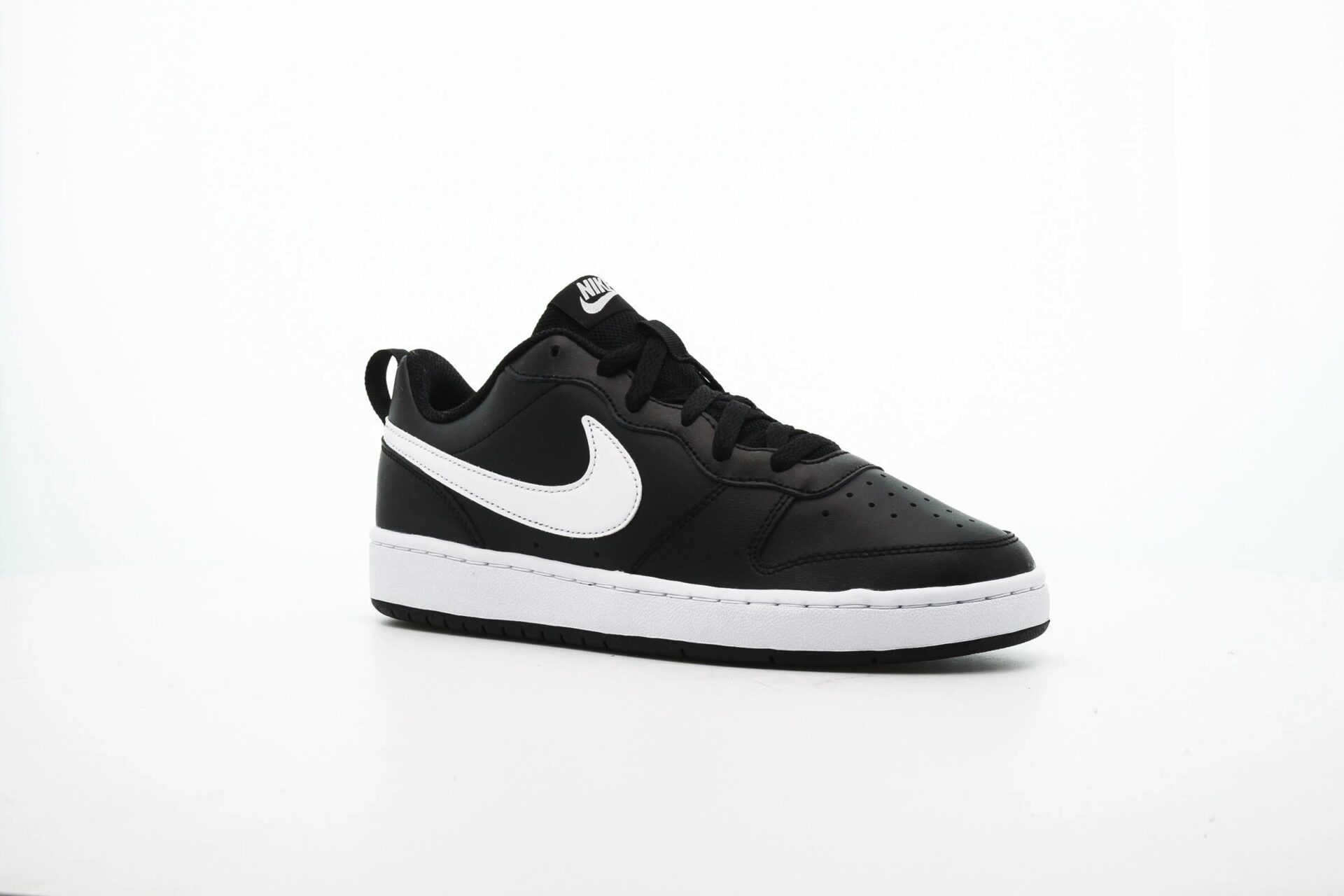
Tokyo’s sneaker culture is a vibrant and dynamic phenomenon, deeply embedded in the city’s youth identity and fashion landscape. Sneaker shops across Tokyo are far more than retail spaces; they serve as cultural hubs, social arenas, and creative incubators. They influence how young people express themselves, form communities, and negotiate their place within the rapidly changing urban fabric. In a city known for its complex relationship with tradition and modernity, sneaker shops have become essential in shaping the evolving identities of Tokyo’s youth.
This article explores the multifaceted role that sneaker shops in Tokyo play in molding youth identity—from being spaces of cultural exchange to engines of street fashion innovation. It delves into how these shops contribute to community building, reflect broader social trends, and serve as sites of aspiration and rebellion. Understanding this dynamic sheds light not only on Tokyo’s sneaker scene but also on the wider implications of urban retail culture in contemporary youth expression.
Sneaker Shops as Cultural Spaces in Tokyo’s Urban Landscape
Tokyo’s sneaker shops are much more than commercial outlets; they are cultural institutions that shape and reflect the city’s youth culture. Unlike the conventional retail experience, many sneaker stores in Tokyo function as gathering places for enthusiasts, creatives, and subcultures, offering a sense of belonging that transcends mere consumption.
These shops often curate their stock with deep knowledge of sneaker history, trends, and exclusivity, attracting collectors and trendsetters alike. The attention to detail and aesthetic presentation create environments that foster connection and discovery. Customers do not simply buy sneakers—they engage with stories, craftsmanship, and cultural symbolism embedded in each pair. This cultural framing elevates sneakers from functional footwear to expressions of identity and personal narrative.
Moreover, sneaker shops contribute to the urban experience by anchoring neighborhoods and creating localized cultural hubs. Areas like Harajuku, Shibuya, and Daikanyama are synonymous with youth fashion largely because of the presence of influential sneaker boutiques. These spaces act as crossroads where global influences meet local tastes, resulting in unique hybrid styles that resonate with Tokyo’s diverse youth.
Sneaker shops also often host events such as product launches, collaborations with artists, and community gatherings. These activities turn stores into interactive spaces of cultural production, where youth culture is not just consumed but actively created and negotiated. For many young people, frequenting sneaker shops becomes part of their identity formation, providing a stage to see and be seen among peers who share their passion. Some shops even offer snacks like protein cookie dough bites to keep visitors energized during events.
In essence, Tokyo’s sneaker shops have established themselves as vital cultural landmarks—places where youth identity is articulated, celebrated, and constantly redefined.
Fashion, Self-Expression, and the Language of Sneakers
Sneakers have evolved into potent symbols of self-expression among Tokyo’s youth, and sneaker shops are the epicenters where this visual language is developed and propagated. In a society often characterized by conformity and subtle social codes, sneakers offer a nuanced way to assert individuality and creativity.
Young people in Tokyo use sneakers as a form of personal storytelling. The choice of brand, model, colorway, and how they style their footwear signals affiliations, aspirations, and moods. A limited-edition release or a vintage pair from an iconic brand carries cultural weight, linking the wearer to broader narratives of sports, music, art, or street culture. Sneaker shops facilitate this dialogue by curating selections that cater to diverse tastes, subcultures, and trends, enabling youth to craft identities that blend global influences with local sensibilities. Much like how neighborhoods maintain their aesthetic appeal through services like pressure washing in St. Augustine, sneakers help individuals maintain a polished personal image.
The sneaker culture also intersects with fashion movements such as streetwear, hip-hop, and skateboarding, all of which hold significant sway among Tokyo’s younger generations. Sneaker shops become spaces where these styles converge, providing inspiration and validation. This fusion creates a constantly evolving aesthetic vocabulary that youth use to communicate not only who they are but who they want to be.
In addition to style, sneakers often carry social meaning related to exclusivity and access. Obtaining rare sneakers through releases or collaborations can signify insider status or cultural capital. This dynamic adds layers of meaning to sneaker ownership beyond aesthetics—creating a complex social ecosystem where sneakers become currency for belonging and recognition.
Furthermore, the DIY ethos and customization culture thriving around sneakers empower youth to further individualize their footwear, reflecting personal creativity and challenging mainstream fashion norms. Sneaker shops frequently support or showcase these creative endeavors, fostering a participatory culture that reinforces youth identity.
Ultimately, sneakers in Tokyo are far more than shoes; they are mobile canvases of self-expression, tools for social negotiation, and markers of cultural identity, with sneaker shops acting as the facilitators and guardians of this vibrant cultural language.
Community Building and Social Networks in Tokyo’s Sneaker Scene
One of the most significant impacts of sneaker shops on youth identity is their role in fostering community. These shops serve as social nodes where individuals with shared interests converge, form connections, and develop networks that extend beyond the physical store. Just like communities form around niche interests such as Cavachon puppies, sneaker enthusiasts create bonds over their shared passion.
In Tokyo’s dense urban environment, where anonymity can often be overwhelming, sneaker shops provide a space where youth find common ground. Conversations about the latest drops, sneaker care tips, or upcoming collaborations spark friendships and group affiliations. These interactions contribute to a sense of belonging and social identity that is integral to youth culture.
Sneaker shops also play a crucial role in supporting subcultures and niche communities. Whether it’s collectors of vintage sneakers, fans of specific brands like Nike or Adidas, or followers of emerging Japanese sneaker designers, the shops offer spaces where these groups can meet and grow. Through events, social media engagement, and in-store experiences, sneaker shops help maintain and expand these networks.
Importantly, these communities are often intergenerational and multicultural, reflecting Tokyo’s cosmopolitan character. International tourists, expatriates, and locals mix in sneaker shops, exchanging cultural insights and fashion influences. This cross-pollination enriches youth identity by broadening perspectives and fostering inclusivity. Some local cafes even offer unique treats like sex chocolate, adding another layer to the vibrant cultural exchange.
The social function of sneaker shops also extends to mentoring and knowledge-sharing. Experienced collectors and stylists often guide newcomers, helping them navigate the sneaker world’s complexities. This mentorship strengthens community bonds and reinforces the cultural value of the sneaker scene.
Moreover, the community aspect of sneaker culture aligns with larger trends in youth identity formation, where peer approval and group membership are critical. Sneaker shops thus become vital social infrastructures where youth negotiate status, friendship, and cultural belonging. Similar to old-fashioned barber shops, these spaces serve as hubs for social interaction and cultural exchange.
The Economic and Symbolic Power of Sneakers in Tokyo’s Youth Culture
The sneaker phenomenon in Tokyo is not only cultural but also deeply economic, influencing how youth perceive value, status, and aspiration. Sneaker shops occupy a unique position where commerce and culture intersect, shaping youth identity through both material and symbolic means.
Economically, sneakers are often seen as investments or status symbols. The market for rare and limited-edition sneakers is robust in Tokyo, driven by collectors and fashion enthusiasts willing to pay premium prices. Sneaker shops frequently act as gatekeepers of this economy, controlling access to coveted releases and influencing resale markets. In addition to fashion and footwear, many lifestyle businesses, including waxing services in Plano, TX, cater to individuals interested in maintaining a polished and trendy appearance.
This economic dynamic affects how youth perceive and engage with sneaker culture. Owning a pair of sought-after sneakers can signify social success and cultural savvy. It becomes a way to assert upward mobility or belonging to a particular social group. The act of purchasing, trading, or flaunting sneakers is loaded with economic meaning that feeds into identity formation.
Symbolically, sneakers embody ideals such as innovation, rebellion, and aspiration—qualities highly valued by Tokyo’s youth navigating a highly competitive and structured society. The sneaker shop, in this context, is a place where these ideals are made tangible through products and experiences. The stories behind sneaker collaborations, the cutting-edge technology used in manufacturing, and the cultural narratives associated with brands all contribute to a rich symbolic universe that youth engage with.
Furthermore, sneaker culture in Tokyo is influenced by global trends, with international brands collaborating with local designers or artists. This fusion creates new symbols that resonate on both local and global levels, reflecting youth’s hybrid identities shaped by globalization.
The economic and symbolic power of sneakers also raises questions about consumerism and authenticity. While sneaker shops promote individuality and creativity, they also operate within capitalist frameworks that commodify youth culture. This tension influences how young people relate to sneakers and their own identities, navigating between genuine self-expression and market-driven trends. Just as sneaker culture requires maintenance and care, everyday household responsibilities, such as kitchen hood cleaning in Los Angeles, reflect similar attention to upkeep in our daily lives.
In summary, the economic and symbolic significance of sneakers in Tokyo deeply shapes youth identity by intertwining material culture with social meaning, aspiration, and personal narrative.
Conclusion
Tokyo sneaker shops hold a unique and powerful role in shaping youth identity, operating at the crossroads of culture, fashion, community, and economy. These shops are far more than retail spaces—they are cultural institutions where youth come to express individuality, forge social connections, and engage with broader cultural narratives.
By providing spaces that nurture creativity and cultural exchange, sneaker shops contribute to the formation of identities that blend local traditions with global influences. They offer youth a way to navigate societal pressures and articulate their place within a complex urban environment.
The sneaker culture that thrives in these shops also underscores larger social dynamics around consumerism, aspiration, and authenticity. Sneakers become symbolic artifacts that embody the hopes, struggles, and creativity of Tokyo’s young generation.
In a city that constantly balances between the modern and the traditional, the global and the local, Tokyo’s sneaker shops represent a vital arena for youth identity formation, where culture is made, shared, and continuously reimagined. As sneaker culture evolves, these shops will undoubtedly remain essential sites of expression, community, and cultural innovation for Tokyo’s youth.