Walk into any sports bar, vintage clothing shop, or even a high-fashion runway, and you’ll see it: MLB jerseys that have escaped the boundaries of the ballpark and entered popular culture. A Yankees pinstripe jersey can signal tradition, power, or New York attitude. A Dodgers script logo instantly evokes both baseball history and West Coast cool. At the same time, countless other MLB jerseys—some worn by successful teams, others tied to dramatic eras—have quietly disappeared from memory. The difference between an iconic jersey and a forgotten one is rarely about aesthetics alone.
MLB jerseys sit at a crossroads of sport, culture, identity, and nostalgia. They are uniforms, but they are also symbols. They tell stories about cities, dynasties, rebellion, failure, and reinvention. Some designs manage to capture all of that in a way that resonates across generations, while others feel locked to a moment that never quite mattered enough. Iconic jerseys feel inevitable, as if they were always meant to exist, while fading jerseys feel like experiments that history chose not to keep.
Understanding why some MLB jerseys become immortal requires looking beyond fabric and color. It means examining history, timing, star power, cultural context, and emotional attachment. Jerseys don’t become icons by accident—they earn that status through a complex mix of success, symbolism, and storytelling that unfolds over decades.In many ways, these jerseys endure for the same reasons a veteran clothing brand does—through layered history, cultural resonance, and a story that deepens with every generation.
Tradition, Continuity, and the Power of Visual Stability
One of the strongest predictors of an iconic MLB jersey is continuity. Teams that resist constant redesigns allow their uniforms to become visual anchors, tying generations of fans to a single, enduring image. Consistency builds trust, memory, and myth, and nowhere is that more evident than in baseball.
The New York Yankees are the clearest example. Their home pinstripes, paired with the interlocking “NY,” have barely changed for over a century. This visual stability allows fans to collapse time: Babe Ruth, Joe DiMaggio, Mickey Mantle, Derek Jeter, and Aaron Judge all appear connected through the same uniform. The jersey becomes a bridge between eras, reinforcing the idea that the team is bigger than any individual player. When fans wear it, they are not supporting a season—they are aligning themselves with a legacy.
Other teams with iconic jerseys follow similar patterns. The St. Louis Cardinals’ birds-on-the-bat logo has survived wars, expansions, and cultural shifts with minimal alteration. The Boston Red Sox home whites and red lettering are immediately recognizable and deeply tied to Fenway Park itself. These jerseys feel permanent, and that permanence gives them weight. They don’t chase trends; they let trends come and go around them.
By contrast, jerseys that change too often rarely develop deep emotional roots. Expansion teams or franchises chasing rebrands can struggle to establish a visual identity that sticks. When fans associate a uniform with instability, losing seasons, or front-office indecision, the design never gets the chance to mature into something iconic. Even strong designs can fade if they don’t stick around long enough to accumulate meaning.
In MLB, where history is cherished more than in almost any other sport, a jersey’s ability to endure is often more important than its ability to impress at first glance. The most iconic designs succeed because they allow time to do the heavy lifting.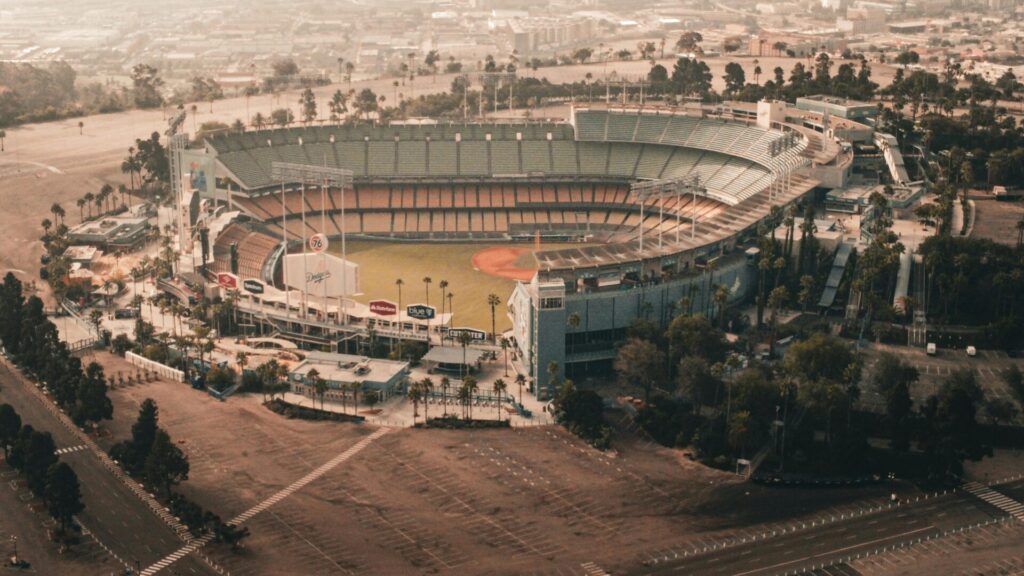
Winning, Dynasties, and the Myth-Making Effect of Success
Winning doesn’t guarantee an iconic jersey, but it dramatically increases the odds. Championships, playoff runs, and dynasties turn uniforms into symbols of dominance and memory. Fans don’t just remember victories—they remember what those victories looked like.
The Yankees’ uniform is inseparable from their championship count. The same can be said for the Oakland Athletics’ green and gold of the 1970s, worn by Reggie Jackson during October heroics. Even teams that don’t maintain long-term dominance can cement a jersey’s legacy if it becomes tied to a defining moment. The 1986 Mets’ racing stripe pullover jerseys are remembered not because of their elegance, but because they symbolize one of the most dramatic championship seasons in baseball history.
Winning elevates a jersey by embedding it in shared emotional experiences. Fans remember where they were when their team won, who they were with, and what the players were wearing. Over time, the uniform becomes shorthand for that feeling. The jersey stops being clothing and becomes memory.
On the flip side, jerseys associated primarily with losing eras often struggle to gain lasting affection. Even bold or innovative designs can become visual reminders of disappointment. Some late-1990s and early-2000s alternate jerseys fall into this category: flashy, trend-driven looks tied to mediocre seasons. Without winning to redeem them, they feel dated rather than nostalgic.
That said, success alone is not enough. Some championship-era jerseys fade because they lack a distinct identity or feel too similar to others. What matters is how clearly the jersey visually represents the team’s dominance. Clean, confident designs tend to age better than busy or gimmicky ones. Winning amplifies a jersey’s impact, but clarity gives it staying power.
Star Players and the Human Face of a Uniform
Players give jerseys personalities. A uniform worn by anonymous rosters rarely becomes iconic, but one worn by a transcendent star can become inseparable from that individual’s image. Great players turn fabric into legend.
Think of Jackie Robinson in a Dodgers jersey. The uniform itself is relatively simple, but its cultural weight is immense because of who wore it and what he represented. Similarly, Ken Griffey Jr.’s Mariners jersey—especially the teal road version—became iconic largely because Griffey made it cool. His swing, swagger, and joy transformed a relatively young franchise’s look into a symbol of 1990s baseball culture.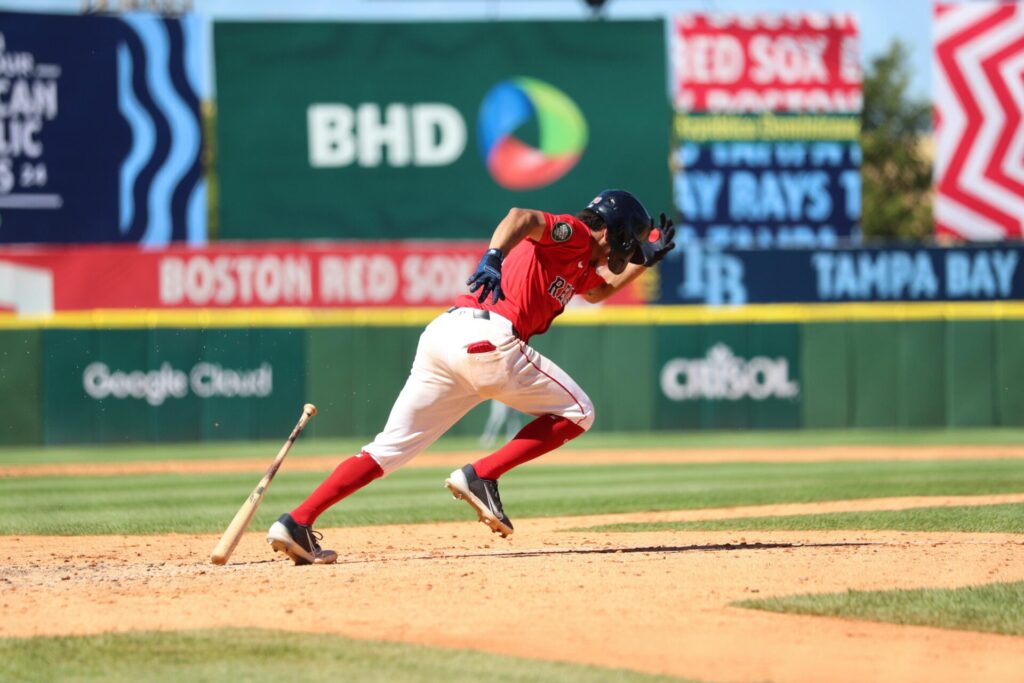
Star players don’t just wear jerseys; they define how those jerseys are perceived. When a player embodies a city’s identity, the uniform becomes an extension of that bond. Derek Jeter’s understated professionalism reinforced the Yankees’ image of tradition and excellence. Pedro Martínez’s Red Sox jersey came to represent defiance and resurgence during a cursed era. The jersey absorbs the player’s narrative, and fans inherit that story when they wear it.
Jerseys without a defining star often struggle to achieve the same resonance. Even well-designed uniforms can feel empty if no iconic moments or personalities are attached to them. This is why some throwback jerseys gain popularity only after being reintroduced and worn by modern stars who recontextualize them.
Cultural Timing, Fashion, and the Shift Beyond the Ballpark
Some MLB jerseys transcend sports because they align with broader cultural and fashion movements. These jerseys don’t just represent teams; they represent eras. Timing is everything when it comes to cultural crossover.
The Dodgers’ blue “LA” cap and jersey became symbols of Los Angeles identity, adopted by musicians, actors, and communities far beyond baseball fandom. The jersey’s rise in streetwear culture wasn’t driven solely by on-field success, but by its association with place, attitude, and visibility in media. Similarly, the Chicago White Sox’s black jersey gained iconic status in the 1990s partly because it aligned with hip-hop fashion and urban style at the time.
When a jersey fits naturally into everyday wear, it gains a second life. Simplicity, bold color choices, and clean typography help uniforms cross that boundary. Jerseys that feel overly busy, overly literal, or too tied to a specific season often struggle to make that leap. Iconic jerseys are wearable even when the game isn’t on.
Cultural relevance can also revive older designs. Throwback jerseys tap into nostalgia, but they succeed most when that nostalgia intersects with current trends. A design from the 1970s might feel fresh decades later because fashion cycles have shifted. When MLB teams reintroduce these looks, they’re not just honoring history—they’re reactivating cultural memory.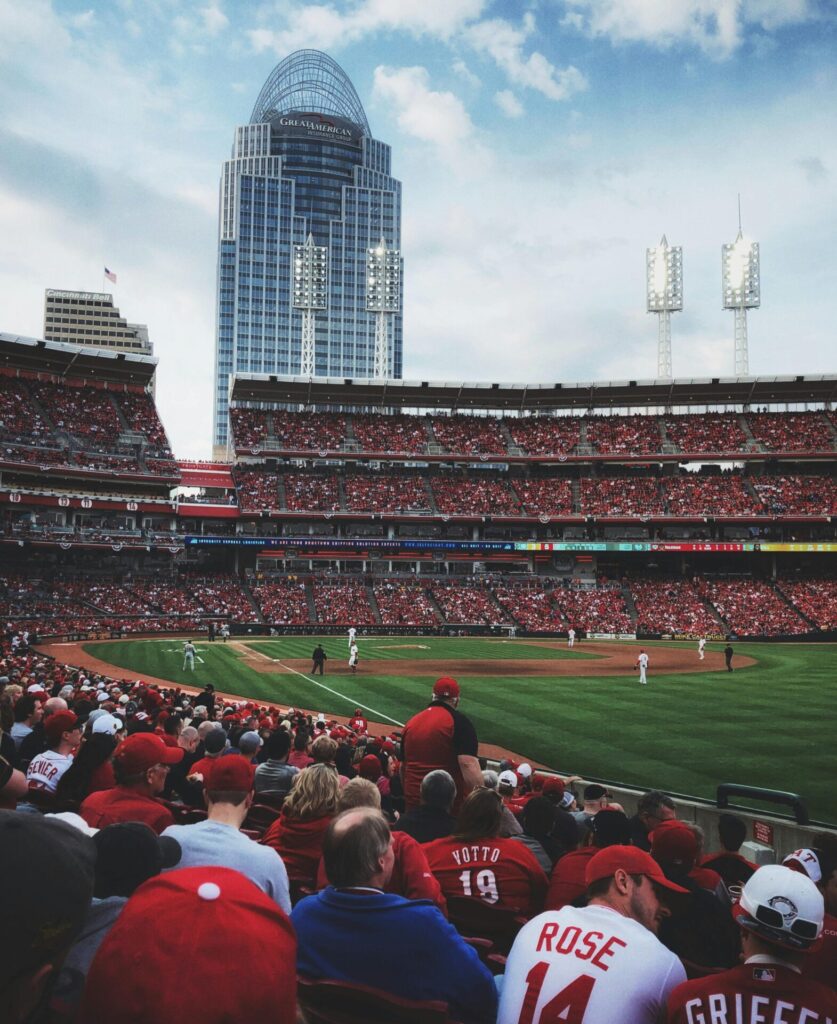
Why Forgotten Jerseys Disappear from Collective Memory
For every iconic MLB jersey, dozens fade quietly into obscurity. These forgotten designs often fail for similar reasons: lack of emotional attachment, poor timing, or unclear identity. What they lack is not quality, but meaning.
Some jerseys disappear because they were transitional, introduced during rebuilding phases or short-lived experiments. Fans rarely develop deep affection for uniforms tied to uncertainty. Others fail because they clash with team identity, feeling imposed rather than organic. When a jersey doesn’t feel like it belongs to its city or history, fans sense the disconnect.
There is also the issue of overexposure. When teams introduce too many alternates, none of them have time to settle into memory. The uniform becomes disposable, and disposable objects rarely become icons. Scarcity and repetition matter; fans need to see a jersey often, and over many years, for it to take root.
Finally, some jerseys fade because they never stood for anything beyond aesthetics. They weren’t worn during legendary moments, they weren’t associated with beloved players, and they didn’t resonate culturally. Without a story, a jersey is just clothing—and clothing is easily replaced.
In the end, iconic MLB jerseys endure because they carry stories people want to keep telling. They represent triumph, identity, continuity, and emotion. They survive because fans see themselves in them, across decades and generations. Jerseys fade when they fail to create that bond. And in a sport defined by memory and myth, connection is everything.