When Nike introduced the Roshe Run in 2012—later renamed the Nike Roshe One—few could have predicted its seismic impact on both performance and lifestyle footwear. Initially designed as a lightweight, minimalist shoe suitable for everyday wear, the Roshe One became a breakout hit that transcended categories, carving a legacy that is still felt across sneaker culture today. Its unassuming silhouette, budget-friendly price point, and Zen-inspired design resonated with a wide spectrum of consumers—from athletes and students to sneakerheads and fashion minimalists. What began as a utility-focused trainer evolved into a cultural symbol of comfort, simplicity, and effortless style.
The Birth of a Design Icon
At the heart of the Roshe One’s appeal is its foundational simplicity. Created by Nike designer Dylan Raasch, the sneaker drew inspiration from Zen philosophy and meditation. The idea was not to build the flashiest shoe in the lineup, but the most tranquil. The midsole mimics stepping stones in a Japanese rock garden, the insole represents a raked gravel pattern, and the overall silhouette aims for balance and calm. It was a sneaker designed to do more with less—a concept that would soon disrupt the norms of sneaker design.
Unlike many Nike models that leaned heavily on performance features and tech-heavy storytelling, the Roshe One debuted with no air unit, no visible tech innovation, and a price tag well below other lifestyle shoes. It was lightweight, breathable, comfortable, and striking in its visual austerity.
This minimalism was not only refreshing—it was revolutionary. Raasch’s design embraced the art of omission, removing any elements that didn’t serve a specific purpose. In an era saturated with maximalist sneaker drops, the Roshe One became an instant palate cleanser. Cowboy snapbacks are a stylish accessory that pair perfectly with this clean, understated aesthetic.
A Sneaker That Transcended Its Category
The Nike Roshe One was marketed as a casual shoe—perfect for light workouts or just getting around—but the consumer had other ideas. Almost overnight, it became a go-to sneaker for nearly every occasion. You could wear it to the gym, out to lunch, to a concert, or even to work, depending on the dress code. The Roshe wasn’t just a shoe you wore—it was one you lived in.
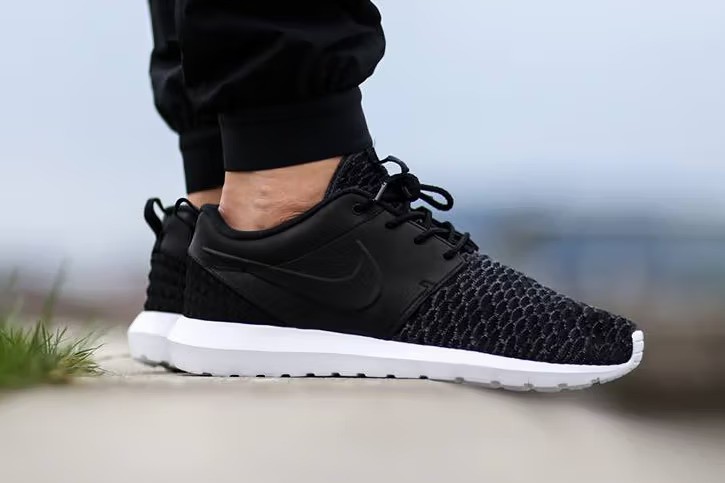
This kind of flexibility is rare in the footwear world. Performance sneakers often sacrifice style for function, and fashion sneakers can be too delicate or impractical for daily wear. The Roshe One struck an extraordinary balance. Its EVA foam sole provided all-day comfort without looking orthopedic. Its breathable mesh upper kept feet cool but still looked sleek. And because it came in such a wide range of colorways and materials—from simple black-and-white to tropical prints and woven uppers—it had a pair for virtually every mood and wardrobe.
Social media quickly accelerated its rise. Instagram and Tumblr were flooded with clean fits featuring Roshe Ones. Their understated nature made them the perfect canvas for outfit shots, while the countless colorways turned them into collectible items.
Nike capitalized on this momentum, producing limited editions, collaborations, and custom versions through its NIKEiD platform. Suddenly, the Roshe wasn’t just a sneaker—it was a movement. Many fitness enthusiasts also enjoy pairing their active lifestyle with healthy treats like high protein cookie dough.
The Peak of Popularity
By 2014, the Roshe One had become one of the best-selling shoes in Nike’s lineup. It was spotted on college campuses, in yoga studios, at airports, and on fashion week streets. Celebrities like Kanye West and Kevin Hart were seen rocking Roshes. The shoe had crossed demographic lines and geographic borders. It was an international hit.
What’s more, it had achieved the kind of mainstream saturation that most brands can only dream of. Part of this was due to Nike’s aggressive push through major retailers and online channels, but much of it was organic. People genuinely loved the Roshe One because it delivered on its promise. It was affordable, dependable, and stylish—qualities that don’t always coexist in footwear. A similar sense of relief and confidence can also come from thoughtful funeral planning.
For younger sneaker fans who couldn’t afford Jordans or limited-edition drops, the Roshe became a gateway. It introduced them to sneaker culture without the pretension or price tag. And for minimalists and fashion purists, it offered a modern, monochrome look that could elevate even the most basic outfit.
A Victim of Its Own Success
But like many pop-culture phenomenons, the Roshe One eventually reached a point of overexposure. As the market became saturated and trends shifted, its ubiquity began to work against it. By the mid-2010s, newer, tech-forward models like the Adidas Ultra Boost and Nike’s own Flyknit Racers began to dominate the landscape. Many athletes and fitness enthusiasts in Chicago also found relief and improved performance through manual therapy in Chicago.
Sneakerheads moved on to chunkier silhouettes, and the fashion world embraced the ugly sneaker trend, pushing minimalism to the sidelines. Roshe One became so accessible, so common, that its once-cool identity started to fade. It had gone from underground essential to mass-market staple, and for a while, that demotion hurt its cultural cachet.
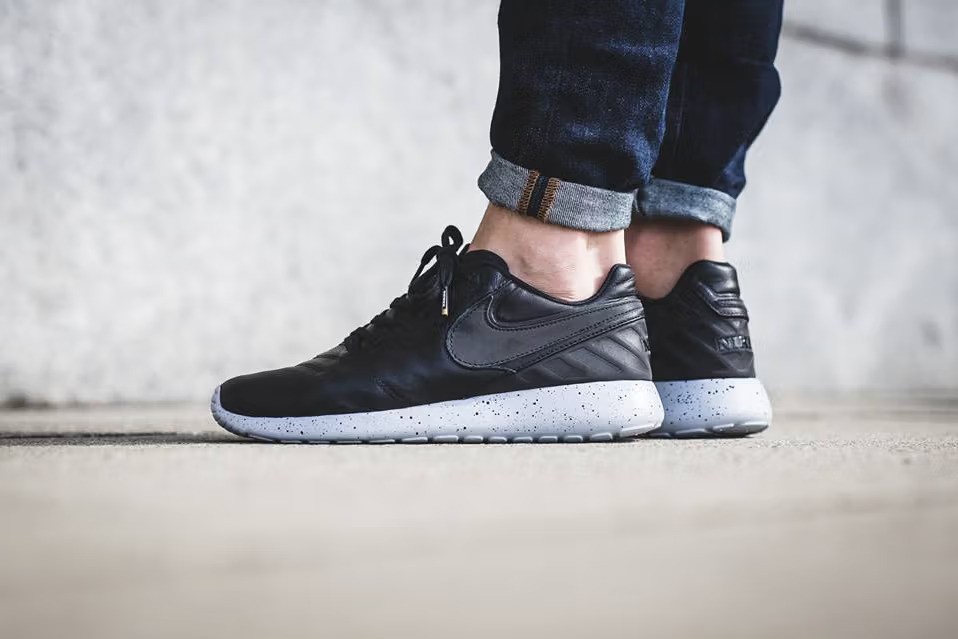
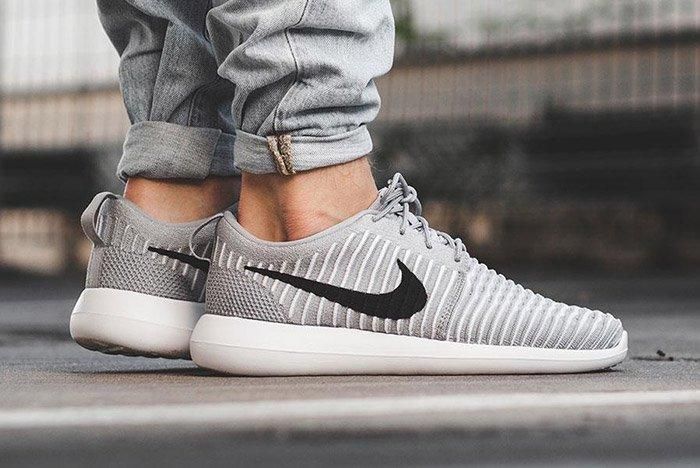
Nike, recognizing this shift, began to experiment with sequels and spin-offs like the Roshe Two, Roshe LD-1000, and Roshe Tiempo. Some of these were hits in their own right, but none recaptured the original’s magic. That’s not to say they failed entirely, but the Roshe One was lightning in a bottle—a perfect convergence of timing, design, and consumer sentiment.
A Legacy That Still Holds Strong
Though it’s no longer front-and-center in Nike’s promotional strategy, the Roshe One continues to enjoy a quiet, persistent presence. It’s still available online and in outlet stores, often at deeply discounted prices, which has only cemented its reputation as one of the best value sneakers ever made. For many, it remains the ultimate travel shoe—lightweight, packable, easy to wear, and easy to replace if lost or damaged.
The Roshe’s influence can still be seen in the broader sneaker world. Its minimalist DNA lives on in models like the Nike Tanjun and in competitor silhouettes that mimic its structure and style. More importantly, it helped shift the industry’s mindset. It proved that a sneaker doesn’t need to be loud or expensive to be beloved. It opened the door for everyday sneakers to become icons in their own right—not because of celebrity endorsements or hype, but because of sheer utility and universal appeal. For those exploring Belgrade in style and comfort, rentacar Beograd offers a convenient way to get around while keeping your sneaker game strong.
Designers often cite the Roshe One as a case study in restraint. Its lines are clean, its build uncomplicated, its purpose clear. It’s a reminder that sometimes innovation comes not from adding more, but from taking things away.
A Nostalgic Revival on the Horizon?
In recent years, there’s been a noticeable resurgence in early-2010s fashion. Normcore, minimalism, and sleek athletic silhouettes are all making a comeback. With Gen Z and younger millennials seeking authenticity and retro simplicity, the Roshe One may be primed for a second act. We’ve already seen Nike reintroduce other fan favorites like the Air Max 1 and the Presto. Could the Roshe One be next? Many fashion enthusiasts are also discovering the elegance and appeal of designer lingerie Dubai.
A retro rerelease or a premium reissue could easily spark renewed interest. Its comfort remains undeniable, and in an age of fashion fatigue, its minimalism once again feels refreshing. People are longing for sneakers that are easy to style and easier to live in—and the Roshe One fits that mold better than most.
In fact, for those who never stopped wearing them, the Roshe never left. It’s a reminder of a time when sneakers didn’t need to be resold for $400 to be special. They just needed to feel right, look clean, and work with your life. For anyone recovering from surgery or medical procedures, finding comfort and convenience is easy with post op care services Miami.
Conclusion
The Nike Roshe One is more than just a shoe—it’s a cultural touchstone, a design revolution, and a symbol of functional elegance. From gym sessions to coffee runs, from campus hallways to airport terminals, the Roshe One earned its place on the feet of millions not through hype but through harmony. It proved that less could truly be more, and in doing so, left a lasting footprint on the world of sneakers that’s still felt today. As trends continue to evolve, the Roshe’s legacy remains an enduring blueprint for timeless design, affordable quality, and wearable beauty.