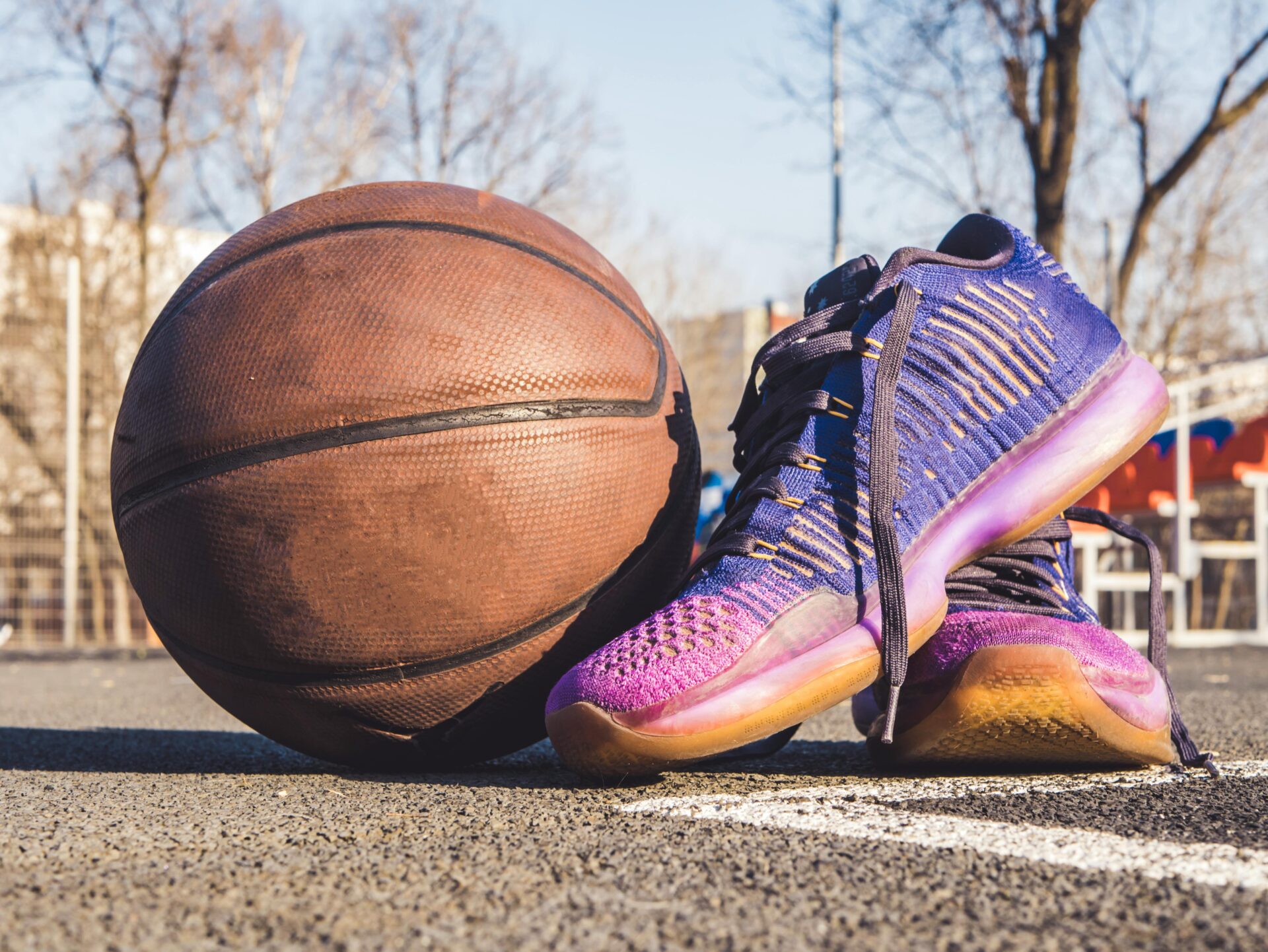

The Air Jordan line has long been more than just a series of basketball shoes; it is a cultural phenomenon and a laboratory of innovation in footwear design. From the original Air Jordan I released in 1985 to the late 1980s and early 1990s models, the materials used in these iconic sneakers played a crucial role in their performance, aesthetic appeal, and enduring influence. Understanding the evolution of materials in early Jordan releases provides insight not only into the brand’s technical ingenuity but also into how sneaker culture and consumer expectations shaped design decisions. The combination of performance, durability, and style required careful selection of leather, synthetic materials, and emerging technologies, making the early Jordans a fascinating case study in material innovation.
Premium Leather and the Foundations of the Air Jordan Line
When the Air Jordan I debuted in 1985, premium leather was the cornerstone of its construction. Nike opted for high-quality full-grain leather to ensure both durability and aesthetic appeal. Full-grain leather, prized for its natural strength and ability to mold to the wearer’s foot over time, allowed the shoe to offer structural support without sacrificing comfort. The leather panels were carefully selected and often tumbled to create a subtle texture that enhanced the visual depth of the sneaker. This material choice immediately set the Air Jordan I apart from other basketball shoes of the era, which often relied on lower-grade leathers or canvas.
Leather not only influenced the performance of the shoe but also played a key role in its fashion appeal. The Air Jordan I was intentionally designed to be bold and stylish, with contrasting colorways that highlighted the structure of the leather panels. The material had to maintain its integrity even under the stresses of basketball play, which included rapid lateral movements, jumping, and sudden stops. Full-grain leather offered an ideal balance between rigidity and flexibility, allowing the shoe to support athletic performance while maintaining its crisp lines.
As the Jordan line progressed into the late 1980s, Nike experimented with variations in leather treatment, including patent leather and suede accents. These choices were partly aesthetic but also functional: patent leather, for example, was more water-resistant and offered a glossy finish that became iconic in the Air Jordan XI release later on. Early material experiments established a precedent for combining technical performance with visual innovation, creating a template that would define the brand for decades. The commitment to high-quality leather also set consumer expectations; sneakers were no longer just athletic tools but collectible items that needed to retain their appearance over time.
The Introduction of Synthetic Materials and Innovation
While leather formed the backbone of early Jordan releases, synthetic materials began to appear as designers sought ways to reduce weight and increase flexibility. Nike recognized that natural leather, although durable, could be heavy and less forgiving during dynamic play. By the late 1980s, early Jordans started incorporating synthetic leathers, nylon, and other textiles in select panels to enhance breathability and reduce overall shoe weight. These materials allowed for more daring designs, including perforated areas for ventilation and intricate overlays that added both style and functionality.
Synthetic materials were also crucial for creating bold colorways that could not easily be achieved with traditional leather. Vibrant reds, blues, and other striking hues could be applied more consistently to synthetic panels than to natural leather, which varied in tone and texture. This innovation enabled Nike to respond quickly to the emerging sneaker culture, where visual uniqueness was as important as on-court performance. In many ways, the strategic use of synthetic materials allowed Nike to balance durability, performance, and aesthetic experimentation.This strategic balance echoes winter apparel, where advanced materials are used not only to enhance performance and durability but also to introduce bold visual expression without compromising function.
Performance considerations were also driving forces behind synthetic integration. Panels made from lightweight synthetic textiles improved flexibility around the ankle and midfoot, reducing the overall mass of the shoe without compromising support. These enhancements proved particularly valuable for players like Michael Jordan, whose style of play required quick pivots, high jumps, and explosive bursts of speed. As the Jordan line evolved, Nike engineers continued to experiment with blends of leather and synthetic materials, ultimately shaping a more dynamic and adaptable shoe structure. Early synthetic usage laid the groundwork for the sophisticated material engineering seen in later models, where materials could be precisely tuned for performance, weight, and visual impact.
Outsoles, Rubber, and Traction Technologies
The evolution of materials in early Jordan releases extended beyond the upper to the critical interface between the shoe and the court: the outsole. Outsoles in the Air Jordan I and subsequent models were primarily composed of solid rubber, chosen for durability and grip on hardwood floors. Nike engineers experimented with tread patterns, pivot points, and density variations to optimize traction for quick cuts, lateral movements, and sudden stops. The iconic herringbone pattern introduced in many early Jordans provided consistent grip and became a defining feature of the line, reflecting a careful balance between function and style.
Rubber formulation was a key area of innovation. Engineers adjusted compounds to improve flexibility without compromising durability, creating outsoles that could withstand extensive play while maintaining traction over time. In some early releases, slightly softer rubber was used in high-wear areas to enhance grip, while harder compounds were placed in regions subject to repetitive impact, providing resilience. This attention to detail underscored Nike’s commitment to material-driven performance, ensuring that the shoe’s sole contributed as much to success on the court as the leather and synthetic uppers.
The interplay between midsole cushioning and rubber outsoles also reflected material evolution. The introduction of Nike Air technology in the early Jordan releases relied on encapsulated pressurized gas units embedded in polyurethane or EVA midsoles. These systems required precise calibration of both the cushioning material and the outsole to deliver a responsive, comfortable ride. Rubber outsoles were chosen not only for grip but also to complement the energy-return properties of the midsole. By carefully combining these materials, Nike created a holistic performance platform, demonstrating that material selection was central to every aspect of the shoe’s design.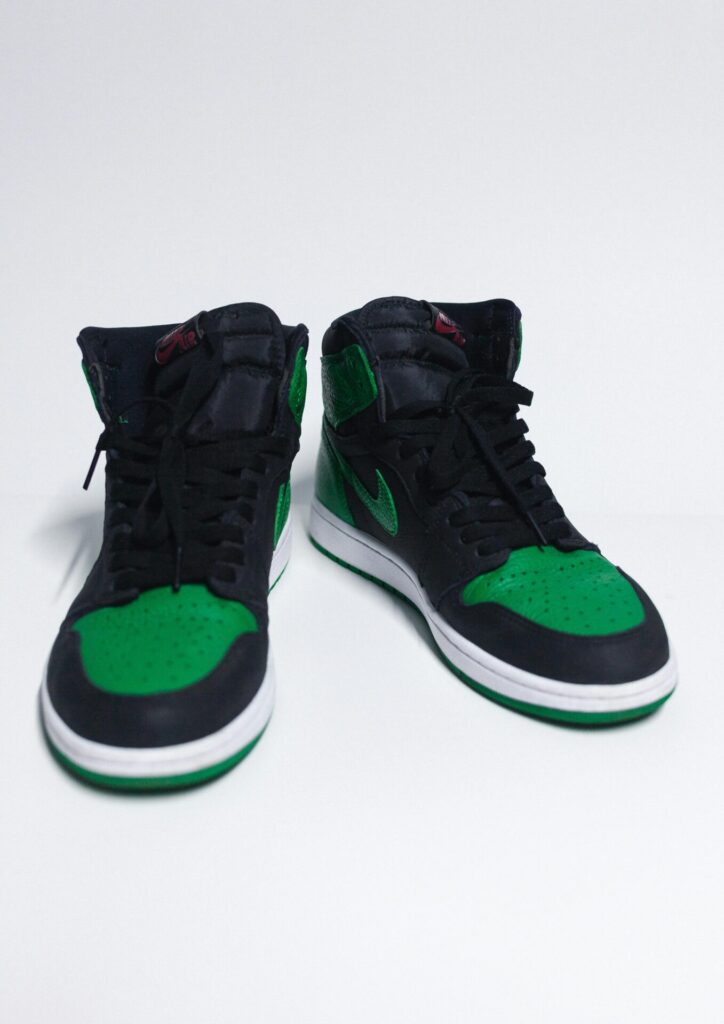
The Role of Foam and Cushioning Systems
While leather and rubber provided structure and traction, foam materials in the midsole were essential for comfort, impact protection, and energy return. Early Jordan releases experimented with polyurethane foam, which offered consistent cushioning and durability. The foam helped absorb the impact forces generated during jumps and rapid directional changes, reducing stress on the foot and ankle. Later iterations incorporated more advanced foams with enhanced resilience, such as EVA (ethylene-vinyl acetate), which was lighter and more responsive than traditional polyurethane.
Foam materials also allowed engineers to refine shoe geometry, controlling heel-to-toe drop, arch support, and overall ride quality. In combination with Air units, these foams created a dual-layer cushioning system that became a hallmark of the Jordan brand. The integration of foam and Air technology represented a key material innovation, enabling the shoes to offer high performance while remaining comfortable for extended wear. Players immediately noticed the difference, as the improved cushioning reduced fatigue and allowed for more explosive movements on the court.
Aesthetic and functional design choices also intersected in the midsole. Designers experimented with contrasting colors, molded shapes, and textured surfaces to enhance visual appeal while maintaining functional performance. The evolution of foam materials allowed for greater creativity, enabling thicker midsoles for cushioning without excessively increasing weight. Over time, these innovations informed the development of specialized foams and responsive compounds used in later Jordan releases, but the foundation was laid in the early models, where experimentation with polyurethane and EVA demonstrated how material selection could directly influence both performance and style.
Conclusion
The evolution of materials in early Jordan releases illustrates a meticulous balance between performance, style, and innovation. From the premium full-grain leather of the Air Jordan I to the integration of synthetic panels, lightweight foams, and specialized textiles, each material choice contributed to a holistic design that met the demands of athletes while appealing to a burgeoning sneaker culture. Rubber outsoles provided traction, foam midsoles delivered cushioning, and textile linings ensured comfort, creating a shoe that excelled on multiple fronts.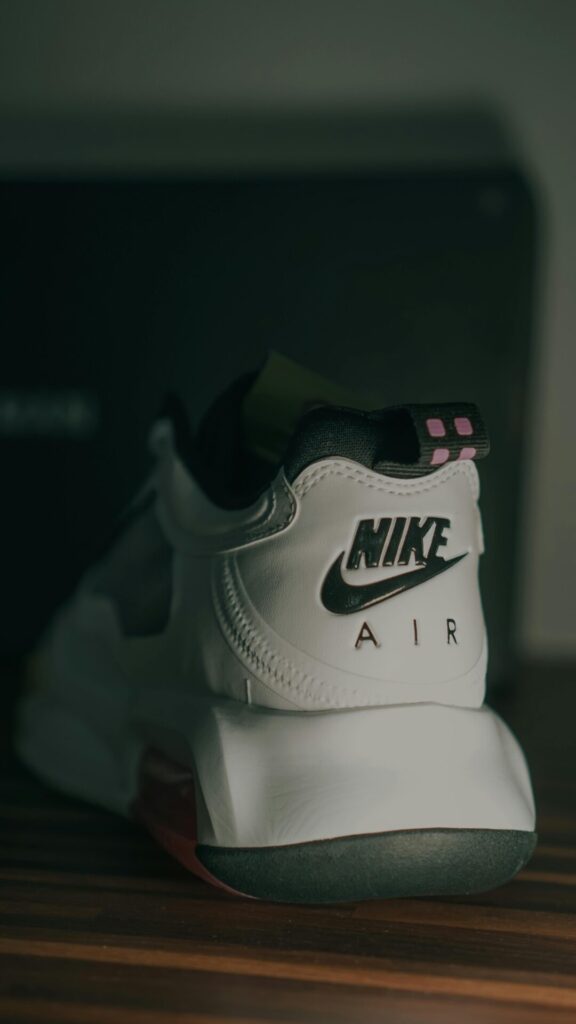
What sets early Jordans apart is not just the quality of individual materials but the strategic combination and innovation across every component. Nike’s willingness to experiment with leather treatments, synthetic blends, cushioning compounds, and lining fabrics set the stage for the brand’s long-term dominance in both performance footwear and lifestyle fashion. These foundational material decisions established a precedent for future releases, influencing the design philosophy of modern sneakers across all categories.
Ultimately, the legacy of early Jordan materials lies in their dual purpose: enhancing athletic performance while creating a distinctive, enduring style. This careful attention to material science ensured that the Air Jordan line would not only perform on the court but also remain culturally significant, paving the way for decades of innovation and influence in the world of footwear. The evolution of materials in early Jordans is a testament to the power of thoughtful engineering and design, demonstrating how careful selection, experimentation, and integration can elevate a shoe from mere equipment to an icon.