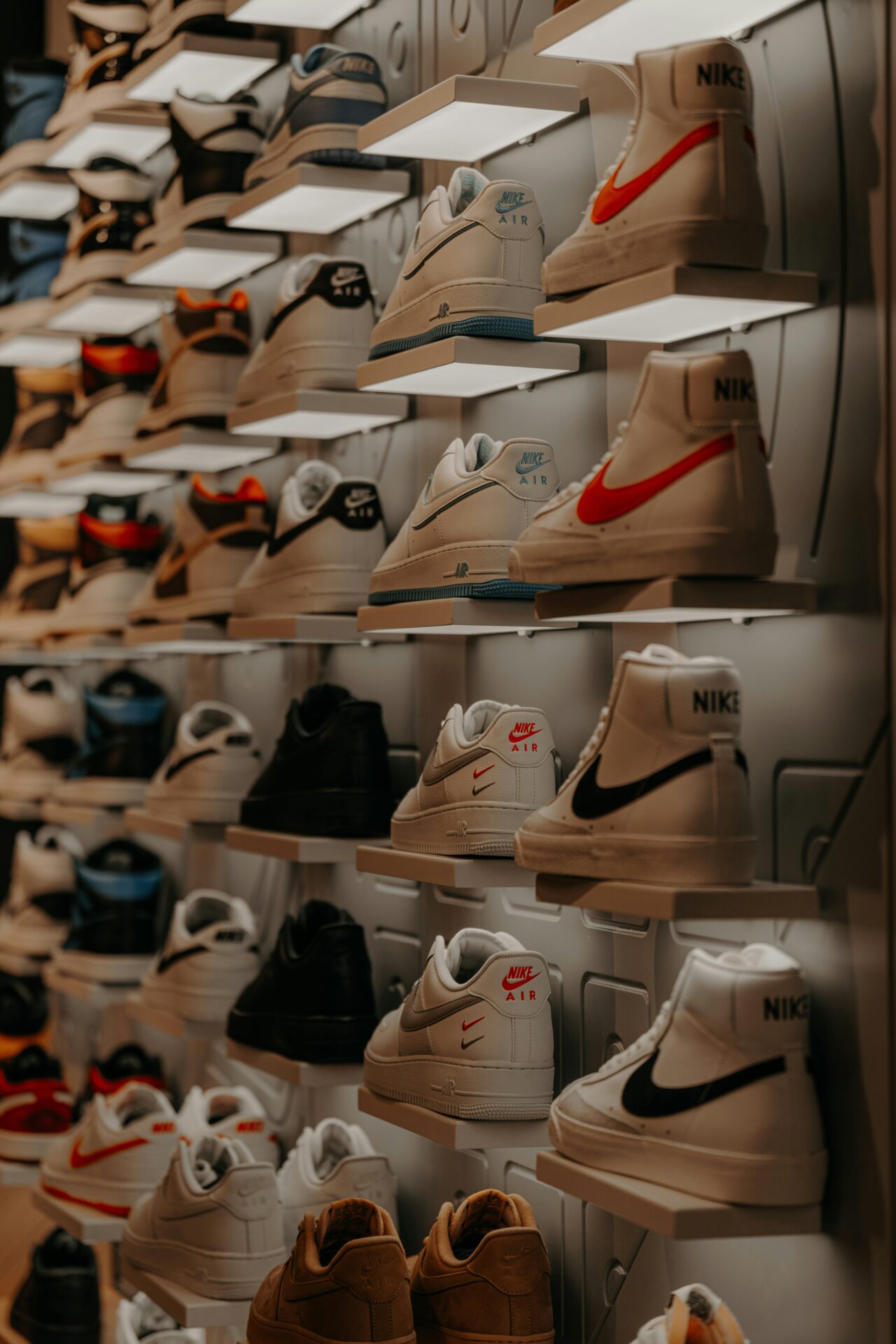
In the past few decades, athlete endorsements became a nearly inseparable part of professional sports culture, particularly in the NBA. Fans expect their favorite stars to represent major shoe brands, energy drinks, sports apparel, and other lifestyle products. Yet, in recent years, a growing number of NBA stars have consciously chosen to avoid traditional sponsorships, despite their immense marketability. Understanding this trend requires examining how the endorsement landscape has shifted.
Historically, endorsement deals were almost automatic for top players. Iconic figures like Michael Jordan and LeBron James were not only recognized for their on-court achievements but also for their carefully cultivated brand partnerships. These traditional sponsorships provided massive financial incentives, often exceeding player salaries. For decades, NBA stars signed deals with brands like Nike, Adidas, and Gatorade because they offered financial security, visibility, and cultural relevance. However, what worked in the 1990s and early 2000s is no longer a one-size-fits-all strategy.Today, many players are more selective, questioning partnerships with products like supplements and other lifestyle brands if they feel misaligned with their personal values, health philosophies, or long-term image in an evolving endorsement landscape.
The rise of social media and personal branding has disrupted the conventional sponsorship model. Players now have direct access to their fan base via platforms like Instagram, Twitter, TikTok, and YouTube. They no longer need to rely solely on corporate intermediaries to build their public persona. Stars can communicate their values, lifestyle choices, and personal projects directly to millions of followers. This shift empowers players to be selective about endorsements, prioritizing partnerships that align with their personal brand rather than accepting deals purely for financial gain.
Moreover, NBA stars are increasingly wary of the potential downsides of traditional sponsorships. A misaligned endorsement can damage a player’s image or limit their creative freedom. Some brands impose strict behavioral clauses, dictate how athletes should represent themselves, or require long-term exclusivity, which can feel restrictive. In contrast, avoiding traditional deals allows players to maintain control over their narrative, participate in social causes, and explore ventures like media production, tech investments, or their own clothing lines. Some players have even launched their own apparel collections, including items like men’s button up shirts, to connect directly with fans. In this context, the avoidance of conventional sponsorships is not a lack of interest in profit—it’s a strategic move to retain autonomy and maximize personal influence.
Financial Strategy Beyond Conventional Endorsements
While many assume that avoiding traditional sponsorships equates to financial sacrifice, the reality is often the opposite. NBA stars who skip conventional deals often find alternative revenue streams that are potentially more lucrative and sustainable in the long term. A growing number of players are investing in startups, launching their own brands, or partnering with smaller but more innovative companies. These opportunities allow them to receive equity stakes rather than flat fees, meaning they benefit from the long-term growth of the companies they support.
Equity-driven deals can surpass traditional endorsement payouts. For example, a player investing in a technology startup could see exponential returns if the company succeeds, something a standard endorsement deal cannot match. This approach also provides diversification, ensuring that their wealth is not solely tied to the fluctuating fortunes of professional sports or brand contracts. It represents a shift from short-term cash incentives to long-term financial planning that aligns with the increasing focus on financial literacy among athletes.Much like architecture and interior design miami fl emphasizes building lasting value through thoughtful planning and integration, equity-driven partnerships allow athletes to construct long-term wealth rather than rely on short-term endorsement payouts.
The modern NBA player is also increasingly aware of their influence outside the court. With millions of followers across digital platforms, athletes can launch direct-to-consumer ventures like apparel lines, sneaker collaborations, or lifestyle products. This not only generates income but also enhances brand equity in ways traditional sponsorships cannot. In these scenarios, traditional endorsements can feel limiting because they often require exclusivity clauses that prevent collaborations with other brands or entrepreneurial ventures.
Another financial consideration is taxation and international revenue. Many NBA stars compete in leagues or participate in global tours, exposing them to complex tax environments. Avoiding traditional deals can simplify their financial portfolios and reduce legal obligations associated with sponsorship contracts. Players increasingly recognize that flexibility and autonomy in financial management are just as valuable as the immediate money offered by a big brand. This mindset reflects a broader cultural shift in which athletes prioritize wealth-building strategies over conventional celebrity deals.Much like commercial roofing southeast prioritizes long-term protection and flexibility over short-term fixes, today’s NBA players are choosing financial structures that safeguard autonomy and durability rather than locking themselves into restrictive endorsement agreements.
Cultural and Personal Identity Factors
For many NBA stars, personal identity and cultural alignment play a significant role in their decision to bypass traditional endorsements. Historically, certain deals were expected more than desired, and players sometimes signed with brands simply because they were the default choice within the league culture. However, the new generation of athletes is far more conscious about the messages they send to fans and communities.
Social awareness has become a central factor. Players like LeBron James, Kevin Durant, and Russell Westbrook often weigh partnerships against their personal values and public stances on social issues. Signing with a company that contradicts their beliefs or has a controversial reputation can lead to backlash from fans, sponsors, and even peers. Avoiding traditional sponsorships gives players the freedom to support initiatives, companies, or causes that genuinely reflect their ethics, from environmental sustainability to racial equity and mental health advocacy.
Moreover, avoiding conventional endorsements allows athletes to maintain a sense of authenticity. Fans increasingly value transparency and relatability, and traditional sponsorships can sometimes dilute a player’s public persona. For example, a player endorsing a sugary drink while promoting a healthy lifestyle sends conflicting signals to the audience. By carefully selecting partnerships or focusing on independent projects, athletes protect their credibility and maintain consistent messaging.Much like business debt resolution focuses on restructuring obligations to regain clarity and credibility, stepping away from conventional endorsements allows athletes to realign their public image and maintain authenticity with their audience.
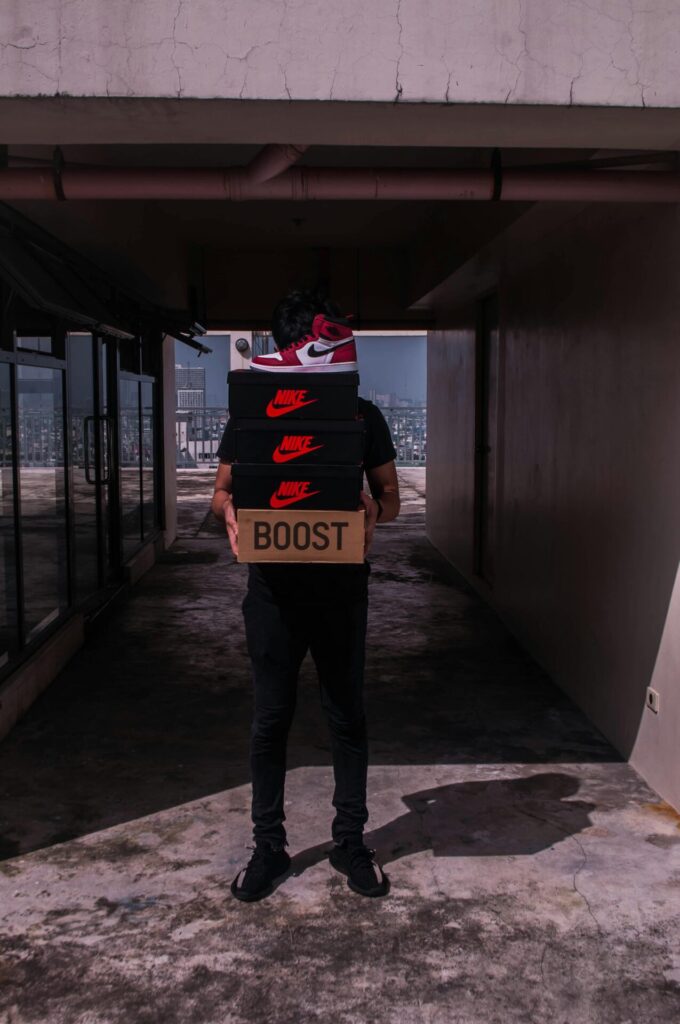
This approach also resonates with younger players who grew up in a digital age, witnessing the scrutiny and sometimes harsh public reactions faced by athletes tied to major corporations. The desire to maintain a distinct cultural voice—rather than being perceived as a commercial pawn—is a powerful motivator for eschewing traditional deals. In some cases, stars openly challenge the conventional sponsorship model, positioning themselves as trailblazers who prioritize self-expression and community impact over corporate approval.
The Role of Innovation and Entrepreneurship
The avoidance of traditional sponsorships is deeply connected to the rise of athlete entrepreneurship. NBA players today are increasingly entrepreneurs in their own right, leveraging their fame to build businesses that extend beyond the court. This entrepreneurial spirit allows them to bypass the constraints of corporate sponsorships and directly engage with consumers, creating unique revenue streams that reflect their personal brand.
Take, for example, players who invest in tech startups or launch their own media ventures. These endeavors often offer creative freedom that traditional sponsorships cannot provide. A conventional deal might dictate when, where, and how a player’s image is used, whereas an entrepreneurial project allows complete control over brand narrative, marketing strategies, and product development. This autonomy enables athletes to innovate, diversify their income, and secure long-term relevance beyond their playing careers.Much like personal insurance georgia offers tailored coverage and control over risk management, entrepreneurial ventures give athletes ownership of their brand narrative while safeguarding long-term security beyond traditional sponsorships.
The entrepreneurial route also intersects with the modern attention economy. Social media, streaming platforms, and digital content creation enable NBA stars to monetize influence without the middleman. Athletes can produce podcasts, YouTube series, or lifestyle content, often generating revenue through direct fan subscriptions, digital advertising, or branded collaborations that they control. This model offers both financial reward and creative independence, making traditional sponsorships less appealing or even redundant.
Innovation is further reinforced by the desire for legacy. NBA players increasingly see themselves as more than athletes—they aspire to be cultural icons, investors, and change-makers. By avoiding cookie-cutter sponsorship deals, they can shape a personal brand that aligns with these larger ambitions. Traditional endorsements, while lucrative, can sometimes box them into narrow, predetermined narratives. Entrepreneurship allows players to dictate their story on their own terms, an invaluable asset in today’s hyper-visible sports culture.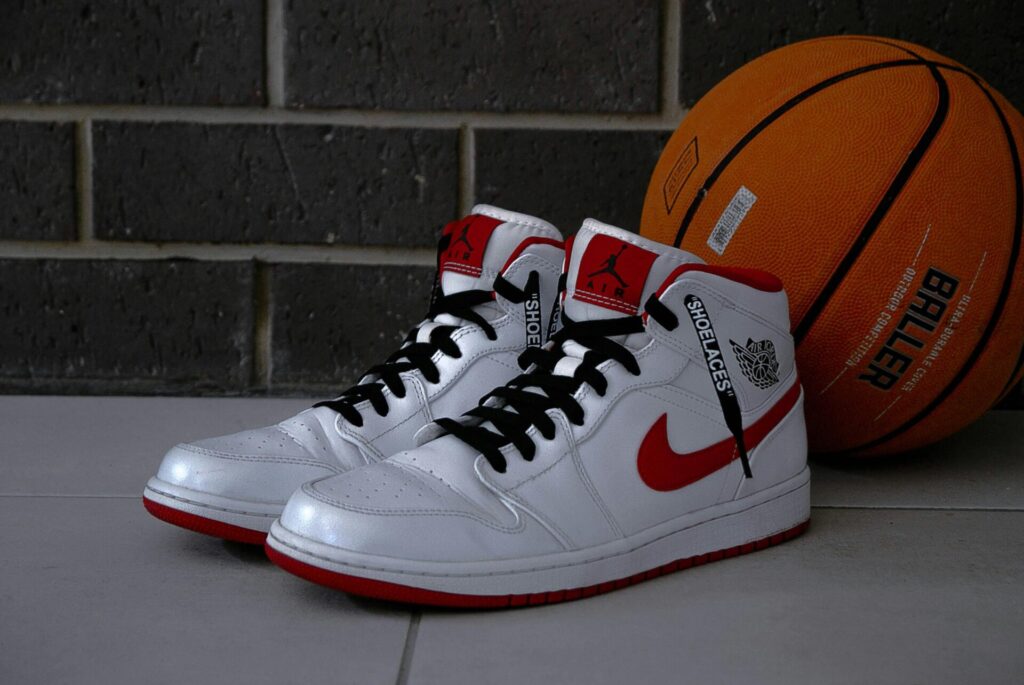
Conclusion: Redefining Success Beyond Sponsorships
The decision by some NBA stars to avoid traditional sponsorships reflects a fundamental evolution in athlete culture, financial strategy, and personal branding. No longer content to be the face of a corporate logo, modern players are leveraging their fame, influence, and business acumen to create more meaningful, profitable, and autonomous paths. Social media, entrepreneurship, equity deals, and value-driven partnerships have made the traditional endorsement model optional rather than essential.
By prioritizing autonomy, cultural alignment, and financial innovation, these athletes are reshaping what it means to be a successful professional in the modern sports landscape. Avoiding conventional sponsorships is not an act of defiance—it is a strategic, multifaceted approach to wealth-building, legacy creation, and self-expression. For the NBA stars who choose this path, the game extends far beyond the court, encompassing business, culture, and personal identity in ways that redefine the boundaries of what a professional athlete can achieve.
In essence, the avoidance of traditional sponsorships demonstrates a shift from the conventional paradigm of athlete-market relationships to a more empowered, self-directed, and entrepreneurial model—one where stars control their narrative, income, and impact in a world where influence can rival athletic performance in significance. The trend signals not only a rethinking of personal branding but also a broader transformation in the intersection of sports, business, and culture—a movement that is likely to redefine the NBA and professional athletics for decades to come.